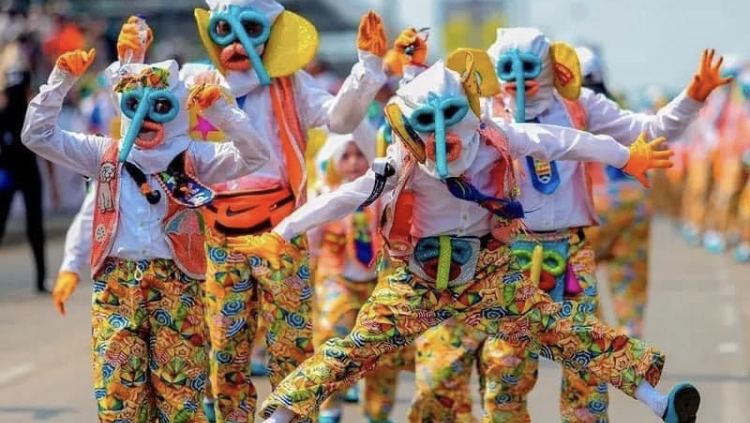

Barranquilla is Colombia’s fourth-largest city, a Caribbean port of nearly 1.4 million people that sits on the western bank of the Magdalena River, about 15 kilometers from the sea. It’s not on most tourists’ radar – and that’s precisely what makes it interesting for the people who do end up here. This is a working city with real character, serious heat, and a cultural identity that punches well above its weight class.
If you’re considering moving to Barranquilla – or just trying to figure out what this city is actually like before visiting – this guide covers everything honestly. The good, the bad, the sweaty, and the surprising.
The Honest Pros
Cost of Living That Actually Makes Sense
Barranquilla is significantly cheaper than Bogotá, Medellín, or Cartagena. A comfortable one-bedroom apartment in a good neighborhood (El Golf, Buenavista, Villa Santos) runs $400-700 USD/month. A two-bedroom in the same areas: $600-1,100. Groceries, dining out, transportation – everything is noticeably cheaper than Colombia’s more famous cities. A solid lunch at a local restaurant costs $3-5 USD. A beer at a bar: $1.50-3. You can live well here on $1,500-2,000/month, and very comfortably on $2,500+.
Genuinely Friendly People
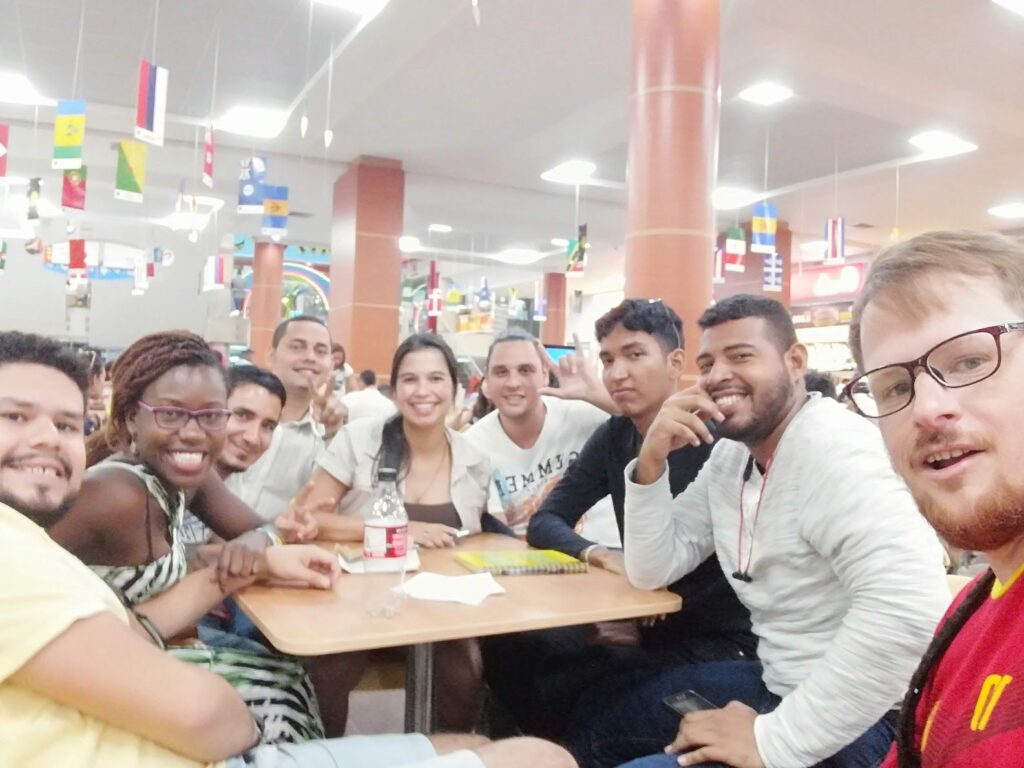
This isn’t tourism-brochure friendliness. Barranquilleros (costeños) are among the warmest, most extroverted people in Colombia. Strangers will talk to you. Neighbors will invite you to things. The social culture here is open and inclusive in a way that surprises most newcomers. It’s not unusual to make real friends within your first weeks – something that’s much harder in Bogotá or even Medellín.
Carnival – The Real One
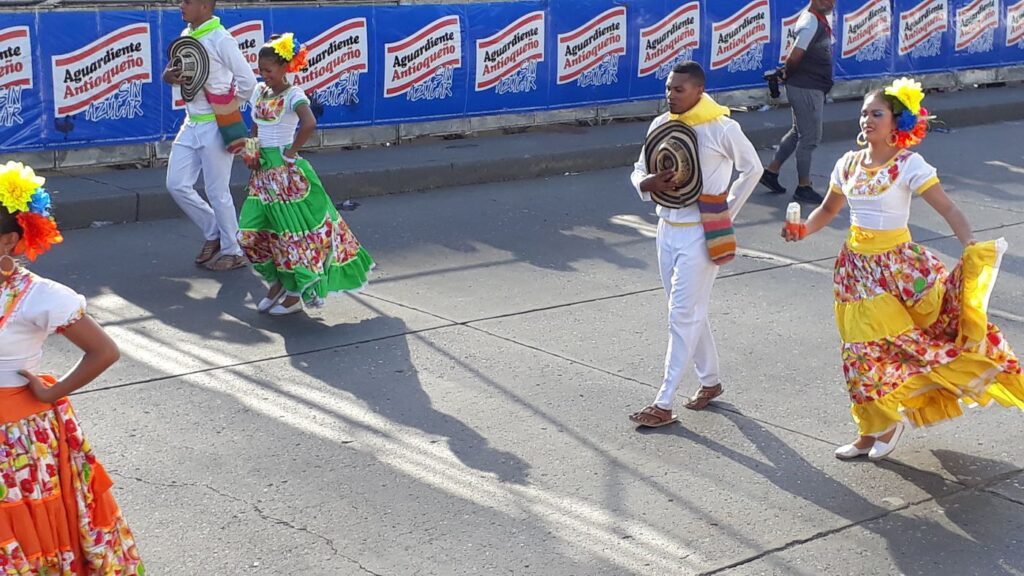
Barranquilla’s Carnival is a UNESCO Intangible Cultural Heritage event and the second-largest carnival in the world after Rio. It’s four days of parades, cumbia, dancing in the streets, costumes, and organized chaos every February. But carnival culture isn’t just a February thing – it defines the city’s identity year-round. The music, the dance, the sense of celebration is woven into daily life here.
Strategic Location
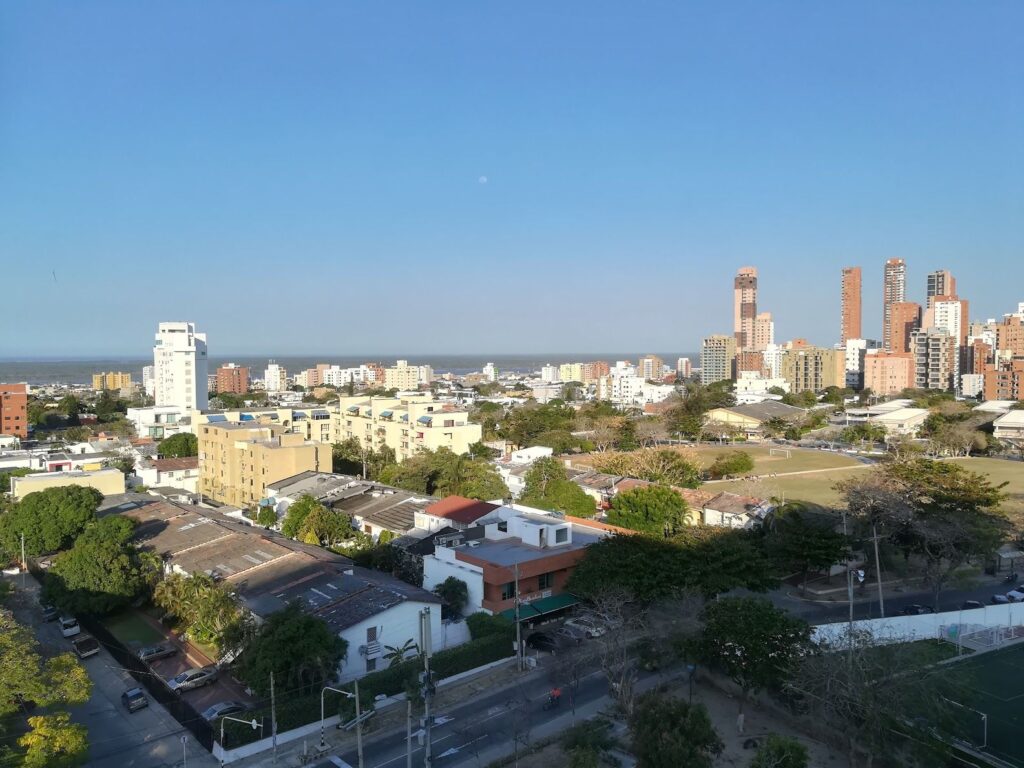
Barranquilla sits between Cartagena (1.5 hours by car) and Santa Marta (1.5 hours). You can reach Cartagena’s old city, the beaches of Santa Marta, or Tayrona National Park for easy weekend trips. The Ernesto Cortissoz International Airport (BAQ) has direct flights to Miami, Fort Lauderdale, Panama City, and all major Colombian cities. Puerto Colombia, a beach town just 20 minutes away, is where many residents go on weekends.
Growing Infrastructure
The city has invested heavily in recent years. The Transmetro bus system covers major corridors. New shopping malls (Buenavista, Viva Barranquilla) have modernized the retail landscape. The healthcare system is strong – Clínica Portoazul, Clínica del Caribe, and Hospital Universidad del Norte are well-regarded facilities. Fiber internet from providers like Claro and Tigo reaches most neighborhoods, with speeds of 100-300 Mbps readily available.
A Real City, Not a Tourist Bubble
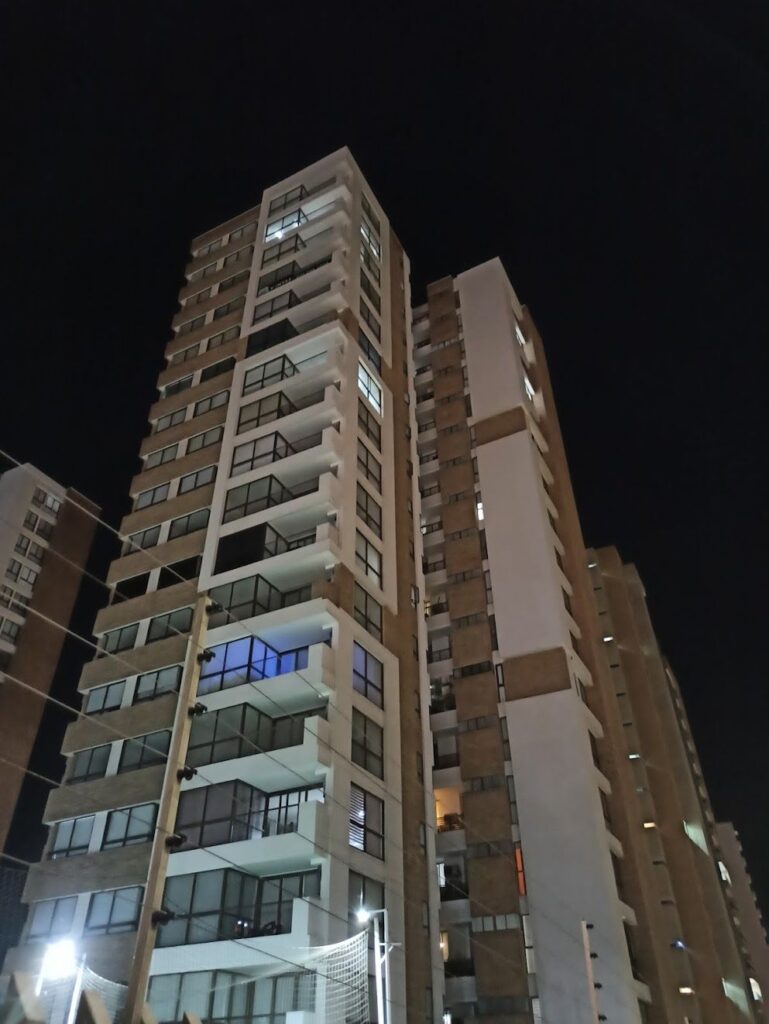
Unlike Cartagena (where tourist pricing and hustle culture dominate) or Medellín (where certain neighborhoods have become expat enclaves), Barranquilla gives you an authentic Colombian urban experience. You’ll be living in a real Colombian city with real Colombians – not in a parallel foreigner economy. This means more cultural immersion but also more need to adapt.
The Honest Cons
The Heat Is No Joke
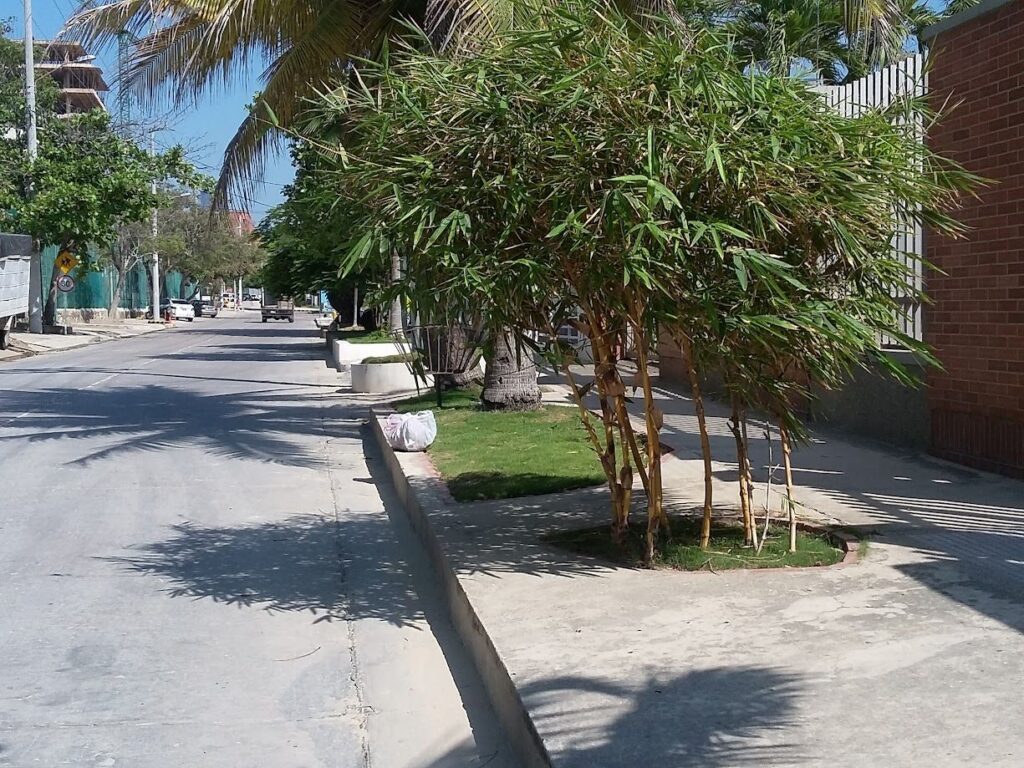
Barranquilla averages 28-35°C (82-95°F) year-round with high humidity. There is no cool season. There is no mountain escape 30 minutes away. January through March brings the most pleasant weather with lower humidity and trade winds (the alisios), but even then it’s hot by most standards. If you don’t handle tropical heat well, this is a dealbreaker – not a minor inconvenience. Air conditioning is not optional; it’s a survival tool. Budget for higher electricity bills ($80-150/month in a well-cooled apartment).
Not Conventionally Beautiful
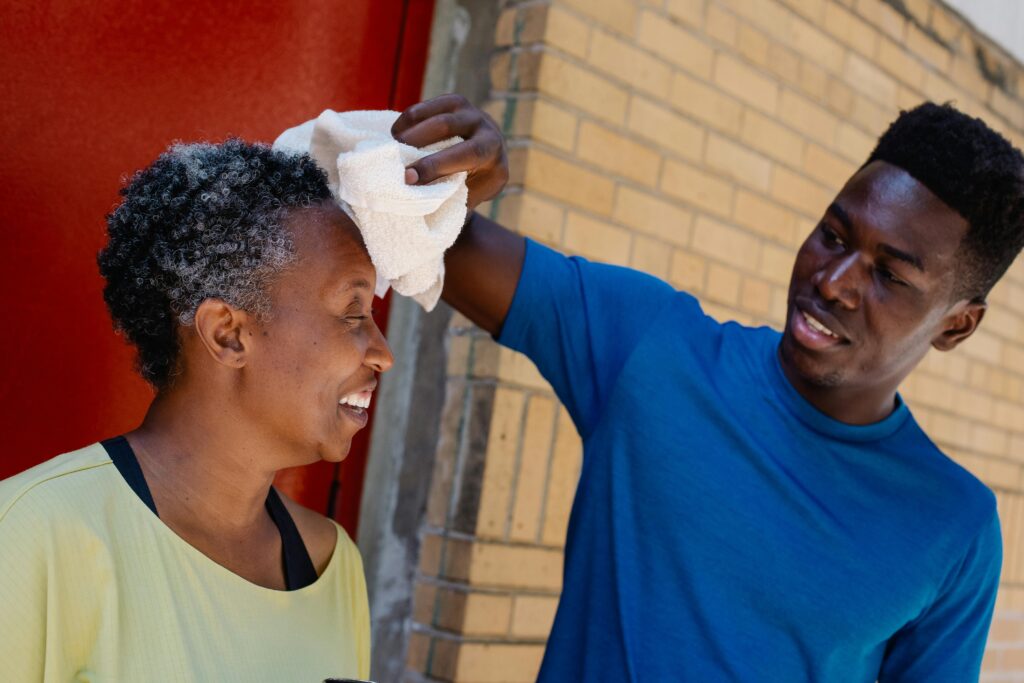
Let’s be direct: Barranquilla is not a pretty city in the way Cartagena or Medellín are. It’s an industrial port city. Many areas are visually rough – cracked sidewalks, inconsistent architecture, noisy streets, exposed wiring. The beautiful parts exist (El Prado’s Republican-era mansions, the Malecón del Río along the riverfront, Barrio Abajo’s colorful houses), but you won’t find the Instagram-ready aesthetics of Colombia’s tourist cities. The charm here is in the culture and the people, not the skyline.
Limited Walkability
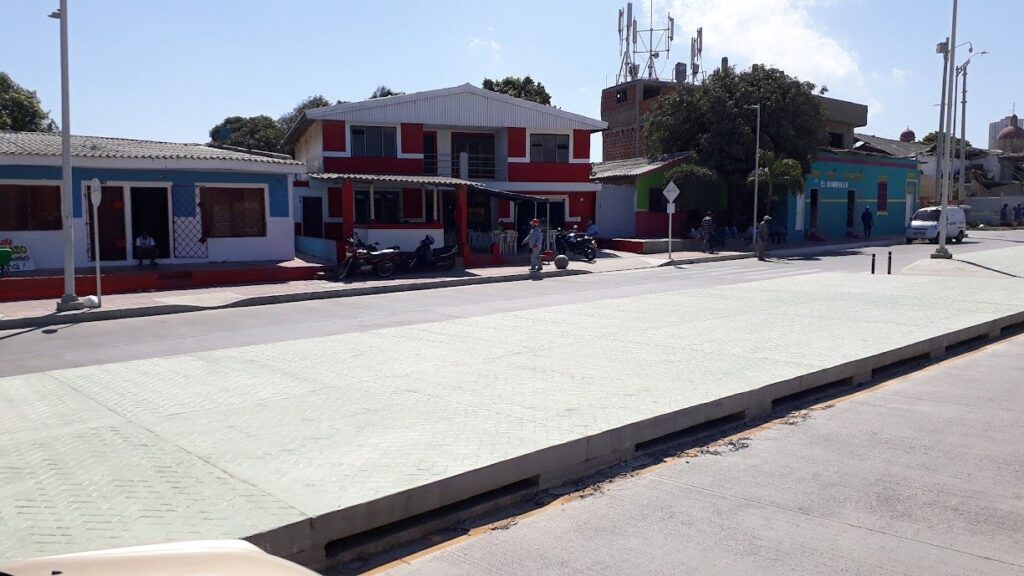
Barranquilla is a car-dependent city. Sidewalks are often narrow, broken, or nonexistent. The heat makes walking long distances impractical anyway. Most residents drive or use ride-hailing apps (Uber, InDriver). The Transmetro covers some routes, but it’s not comprehensive enough to replace a vehicle entirely. If you don’t plan to have a car, live in a walkable neighborhood like Buenavista, El Golf, or Miramar where daily errands are manageable on foot.
Limited Nightlife and Cultural Scene (Compared to Bigger Cities)
Barranquilla has good nightlife – salsa clubs, champeta spots, rooftop bars – but it’s not Medellín or Bogotá in terms of variety. The restaurant scene has improved dramatically but is still developing. Cultural events exist (the Teatro Amira de la Rosa, the Museo del Caribe) but the calendar is thinner than what you’d find in the capital. You won’t feel bored, but you might feel the limits after a while.
Spanish Is Essential
English is not widely spoken here – far less than in Medellín or Cartagena’s tourist zones. You will need functional Spanish for daily life: dealing with landlords, going to the doctor, handling bureaucracy, socializing. The costeño accent is also fast and drops final consonants, which makes it harder to understand than highland Colombian Spanish. Invest in Spanish lessons before or immediately after arriving.
The “Vivo” Culture & Caribbean Laissez-Faire
This is arguably the hardest adjustment for foreigners – harder than the heat, harder than the language. Barranquilla operates on a deeply Caribbean logic that can clash with what you’re used to if you come from a culture that emphasizes personal space, noise boundaries, and direct communication.
There’s a cultural concept here called “el vivo” – someone who gets ahead by being resourceful, cutting corners, and finding angles. It’s not viewed negatively the way it might be in other cultures; here, being vivo is often seen as being street-smart. You’ll see it daily: motorcycles riding on sidewalks to get around one-way streets, drivers creating a third lane where only two exist, someone slipping ahead of you in line with total confidence. It’s not personal – it’s simply the operating system of daily life here.
Communication works differently too, and this catches many foreigners off guard. There’s a strong cultural preference for telling people what they want to hear rather than delivering inconvenient truths. If you call a plumber and he says “ya voy, estoy en la esquina” (I’m on my way, I’m on the corner), take it with a large grain of salt. He might arrive in three hours, tomorrow, or not at all – and you’ll need to call again. This applies across the board: electricians, delivery people, contractors. It’s not malicious; it’s a cultural communication style where maintaining a pleasant interaction in the moment takes priority over strict accuracy. You’ll hear “mañana” and “ahorita” (right now) used in ways that are more aspirational than literal.
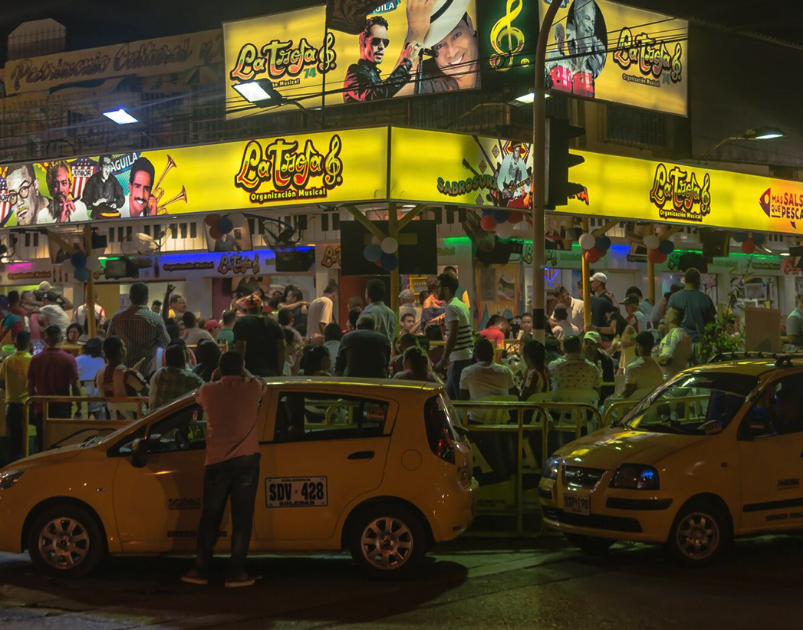
Noise is another area where cultural expectations diverge sharply. Barranquilla is a loud city, and there’s very little cultural expectation of quiet hours. Neighbors may host a party with a powerful sound system (a “pico”) on a weeknight. Street vendors announce themselves with megaphones early in the morning. Music is a central part of life here, and the volume reflects that. If you’re noise-sensitive, this is worth taking seriously when choosing where to live – a higher floor in a modern building with good insulation makes a real difference.
None of this makes Barranquilla a bad place – it’s part of the Caribbean character that also makes the city so warm, spontaneous, and fun. But if you come from a highly structured culture, be honest with yourself about how much flexibility you can handle. Many expats adapt and come to appreciate the looseness. Others find it exhausting long-term. It’s worth knowing which camp you’re likely to fall into before committing.
A Very Different Concept of Time
Time in Barranquilla doesn’t work the way it does in North America or Europe, and this goes well beyond “running a few minutes late.” If someone invites you to dinner at 4:00, guests will comfortably start arriving at 5:00 or 5:30 – and no one will think twice about it, because no one considers it late. A meeting scheduled for 10:00 might get going at 10:45. This is completely normal here.
It’s not disrespect – it’s a genuinely different cultural relationship with time. In the Caribbean coast, relationships and the present moment tend to take priority over schedules. Trying to impose rigid punctuality on social situations will only leave you frustrated. The culture isn’t going to bend to your clock, and visibly stressing about it will mostly just confuse people.
The practical adaptation: for anything truly time-bound (flights, medical appointments, legal deadlines), build in generous buffers. For social events and service appointments, adjust your expectations and plan your day with flexibility. If a contractor says 8:00 AM, mentally prepare for late morning. You’ll save yourself a lot of stress – and honestly, once you let go of the clock a little, the slower pace can become one of the things you enjoy about living here.
Blunt Language & No Filter
If you come from a culture where political correctness and careful language are the norm, Barranquilla will catch you off guard. People here are remarkably direct and uninhibited about physical descriptions and nicknames in a way that can feel shocking at first.
It’s completely normal for someone to be casually referred to as “el gordo” (the fat one), “la flaca” (the skinny one), “el negro,” (the black one), “el mono” (the blond-haired or light-skinned one), or “el calvo” (the bald one). These are used as everyday nicknames – among friends, family, coworkers, even by strangers at a shop. They’re not intended as insults. In Colombian Caribbean culture, these are terms of familiarity, even affection. You’ll hear a mother lovingly call her child “mi gordo” or a friend greet someone with “¡Qué más, negro!”
People will also comment openly on your appearance in ways that would be considered inappropriate elsewhere. “You’ve gained weight” is a normal observation, not an attack. A shopkeeper might say “this won’t fit you” without any hesitation. If you’re visibly foreign, expect to be called “gringo” or “mono” regularly – again, usually without any negative intent. There’s also a prominent character in Carnaval – “Son de Negro” which gets many foreigners riled-up but is in fact culturally positive here in Barranquilla.
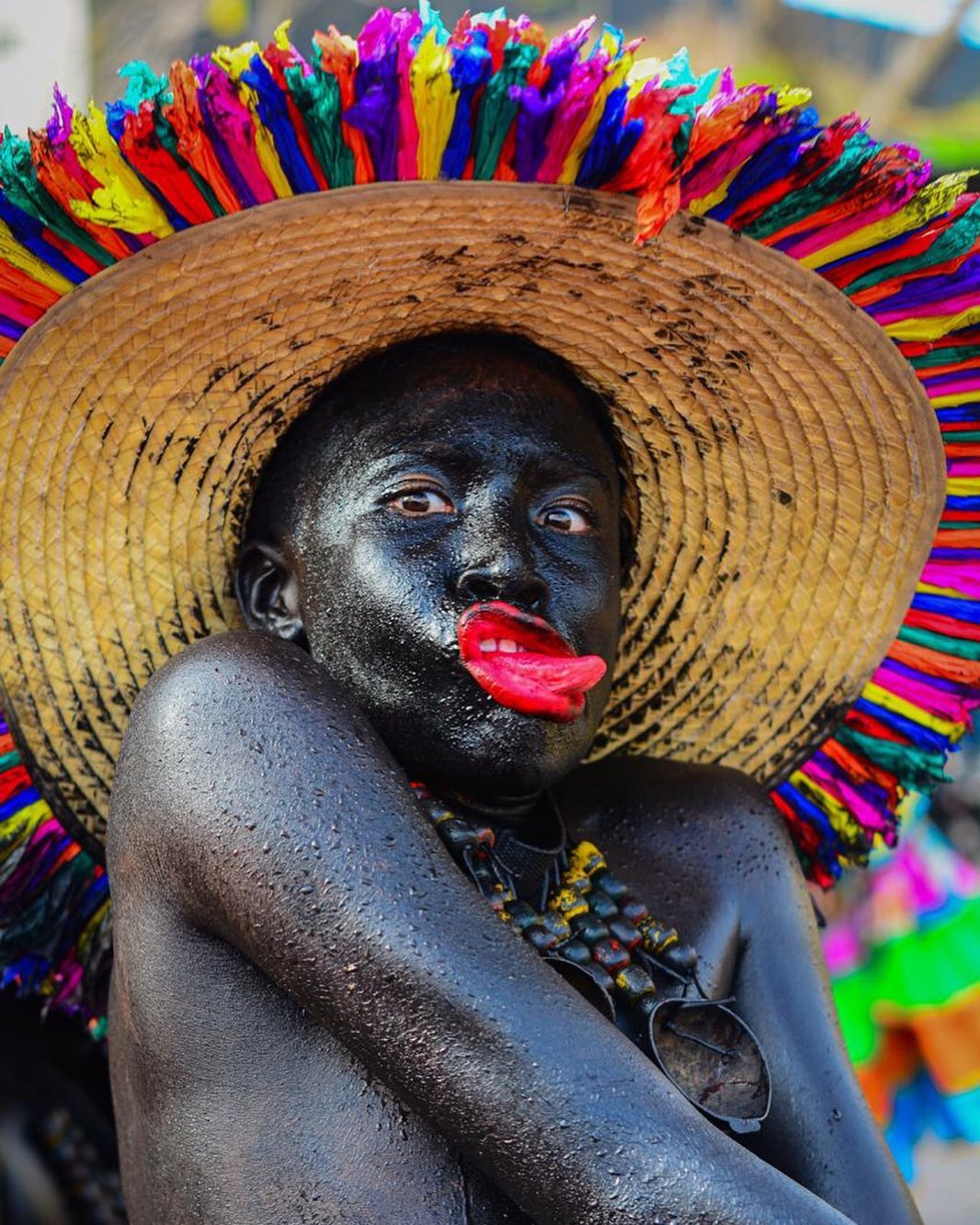
This doesn’t mean discrimination doesn’t exist – it does, as it does everywhere. But the casual use of physical descriptors is a cultural norm, not a sign of hostility. Understanding this distinction will save you a lot of unnecessary offense. Most foreigners get used to it fairly quickly once they see the warmth behind the words.
Security: An Honest Assessment
Barranquilla is generally safe for a large Latin American city, but it’s not without risk. Here’s what you need to know:
Street crime: Petty theft (phone snatching, pickpocketing) occurs, especially in crowded areas and on public transport. Motorcycle-based theft (moto-ratones) is the most common type – someone on a motorcycle grabs your phone or bag. Don’t walk around with your phone out on the street, especially at night. Use your phone inside shops or in your car.
Safe neighborhoods: El Golf, Villa Santos, Buenavista, Altos de Riomar, Ciudad Jardín, and the northern stretches of Zona Norte are generally safe. These areas have private security, gated buildings, and lower crime rates. Most expats and upper-middle-class Colombians live in these zones.
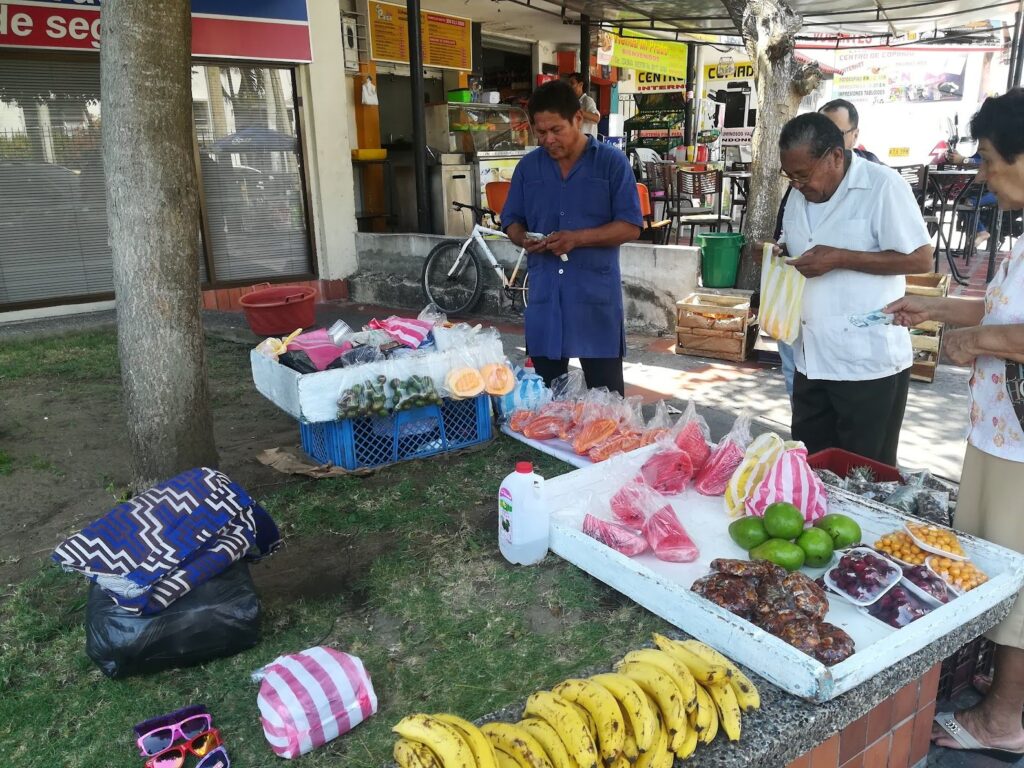
Areas to avoid: The southern part of the city (Soledad, parts of Sur Occidente) has higher crime rates. El Centro (downtown) is fine during the day but should be avoided at night. The area around the old central market can be dicey.
Practical security tips: Use ride-hailing apps instead of hailing taxis on the street. Don’t wear flashy jewelry or watches. Keep car windows up at red lights in unfamiliar areas. Use ATMs inside banks or malls, not standalone street ATMs. Most serious crime in Barranquilla is targeted, not random – if you exercise normal urban awareness, your risk is low.
Political Landscape
Barranquilla and the broader Atlántico department have historically been politically complex. A few things worth knowing:
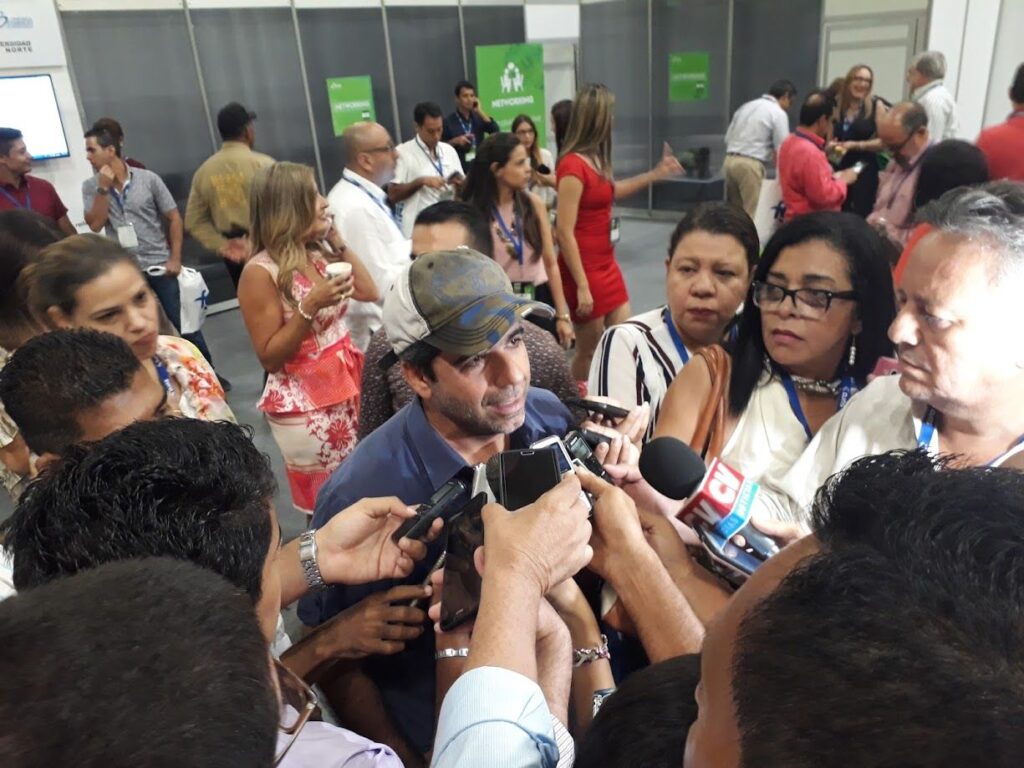
The Char family: The Char family (of the Char Abdala political dynasty) has dominated Barranquilla politics for decades. Alex Char is the current mayor of Barranquilla, having also served previous terms (2008-2011, 2016-2019). The family’s influence extends well beyond politics through the Olímpica supermarket chain, the Junior de Barranquilla football club, and various media outlets. Opinions on the Chars are polarized – supporters credit them with modernizing the city’s infrastructure; critics point to political patronage networks and concentrated power.
Corruption concerns: Like much of Colombia, Barranquilla has ongoing challenges with corruption in public contracting and political clientelism. The city has made progress on transparency compared to its past, but it remains an issue. Infrastructure projects sometimes stall or face cost overruns tied to political dynamics.
Petro era tensions: President Gustavo Petro’s left-wing government (elected 2022) has had a complex relationship with the traditionally centrist-right political establishment of the Caribbean coast. National policy changes on healthcare, pensions, and labor affect daily life in Barranquilla, though the city’s business community has largely maintained its own trajectory.
Venezuelan migration: Barranquilla has absorbed a significant number of Venezuelan migrants since 2017. This has added cultural diversity and labor supply but also created social tensions around jobs, public services, and housing in lower-income areas. The integration has been largely peaceful but it’s a visible and ongoing social dynamic.
Prominent Landmarks & Places
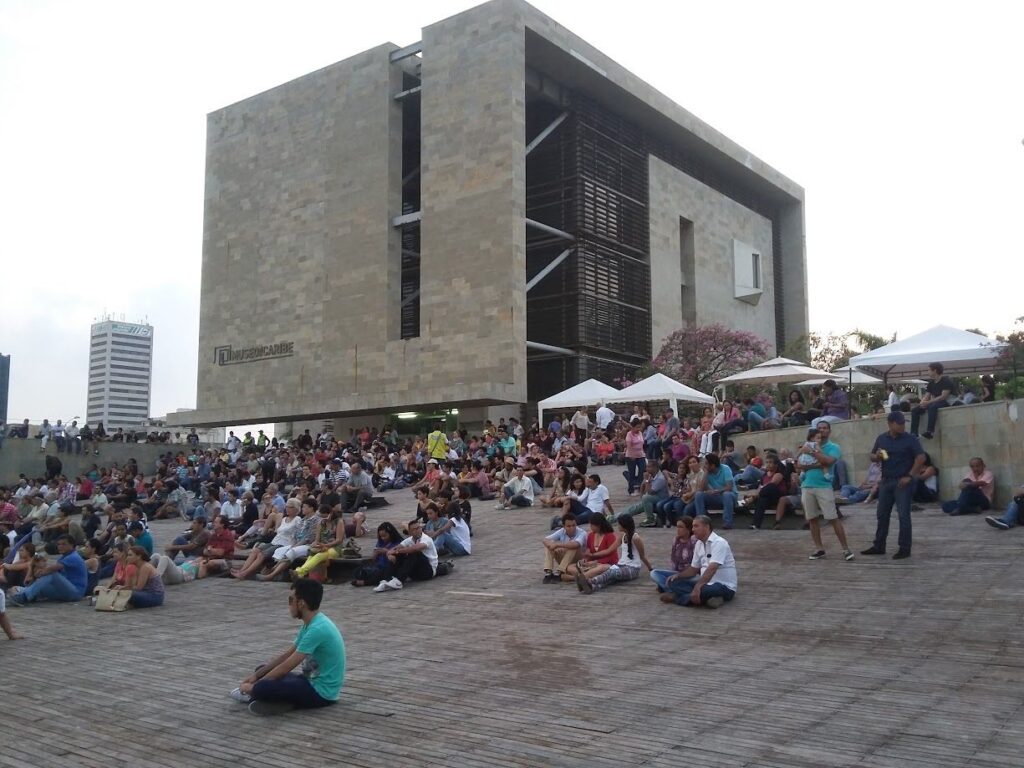
Museo del Caribe
Colombia’s first regional museum, located in the Parque Cultural del Caribe complex downtown. Interactive exhibits covering the history, ecology, and culture of the entire Caribbean coast. The Gabriel García Márquez room is a highlight – Barranquilla was where Gabo lived during his formative journalism years and where he wrote some of his earliest works. A must-visit for understanding the cultural context of the region.
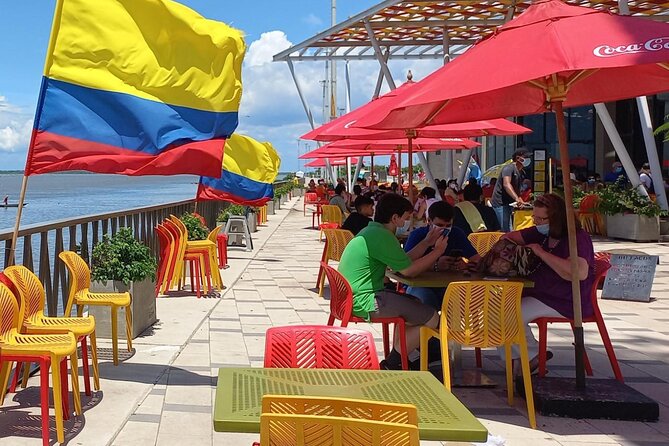
Malecón del Río (Puerta de Oro)
The renovated riverfront boardwalk along the Magdalena River. This is where Barranquilla reconnects with its river – a relationship that defined the city’s history as Colombia’s main port in the late 1800s and early 1900s. The Malecón has restaurants, walking paths, event spaces, and views of the massive river. Best visited in the late afternoon when the heat drops.
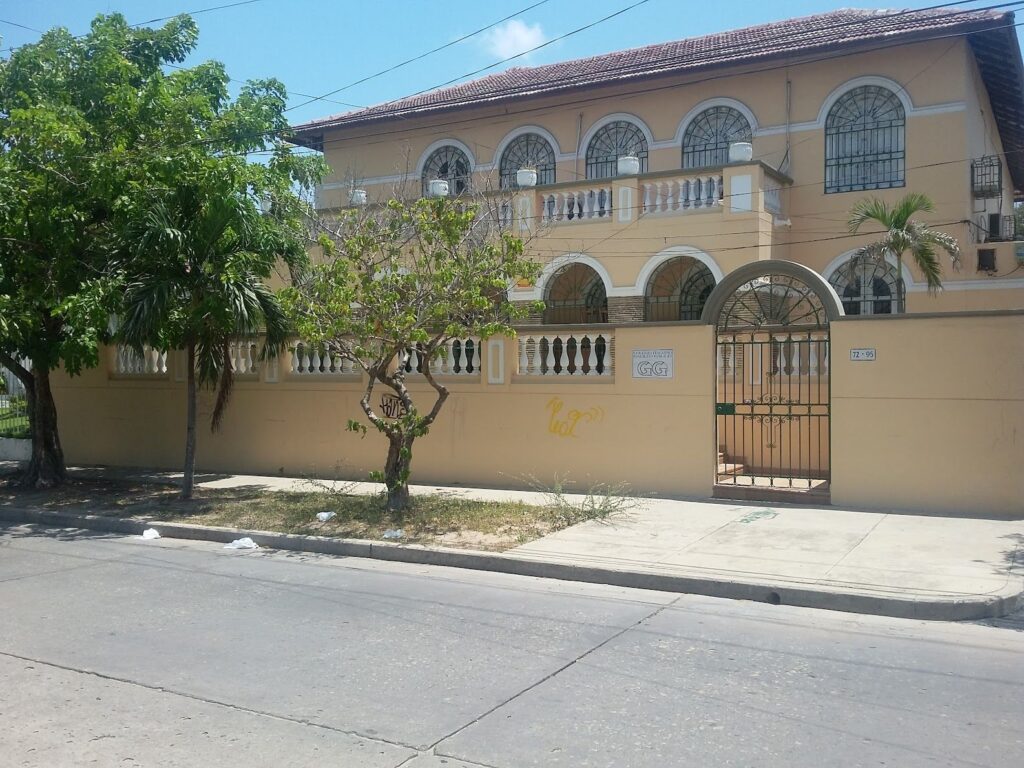
El Prado
Barranquilla’s historic residential neighborhood, declared a National Heritage Site. Built in the 1920s, El Prado features Republican-era mansions, tree-lined streets, and the iconic Hotel El Prado (now restored). Walking through El Prado is like seeing the city’s golden age frozen in architecture – some beautifully maintained, some crumbling, all with stories.
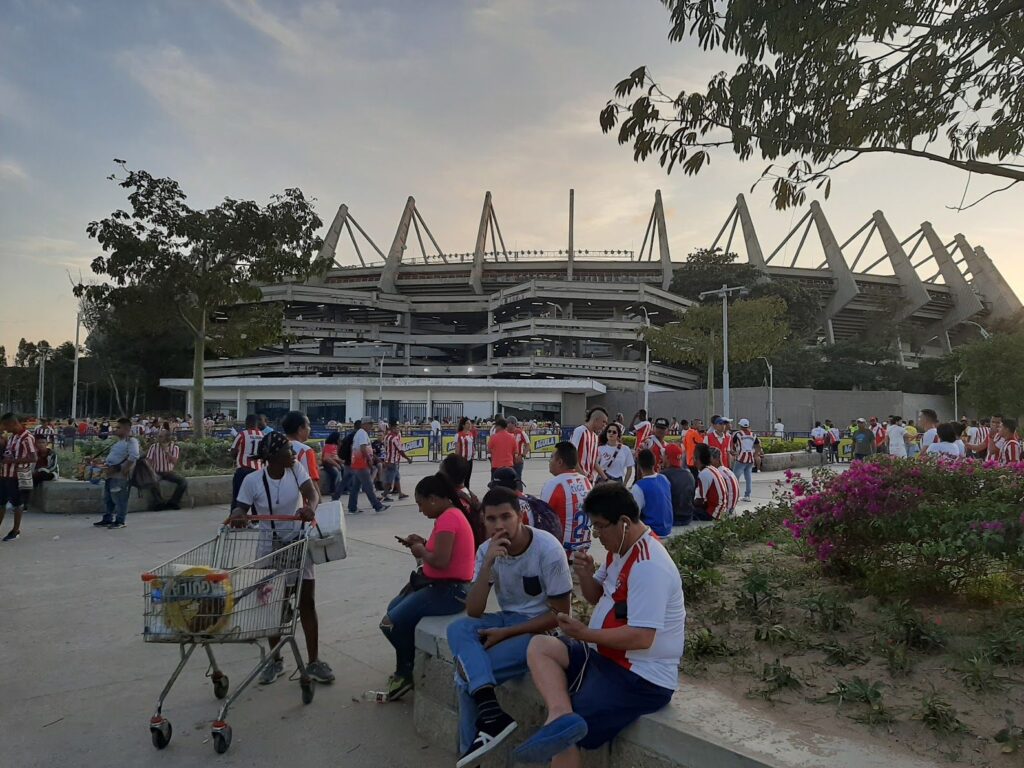
Estadio Metropolitano Roberto Meléndez
Colombia’s largest football stadium (nearly 50,000 capacity) and the home of the national team for most World Cup qualifiers. Also home to Junior de Barranquilla, the city’s beloved football club. Attending a Junior match – or better yet, a Colombia qualifier – is one of the most electric sporting experiences in South America.
Catedral Metropolitana María Reina
Barranquilla’s most iconic religious landmark, the Catedral Metropolitana María Reina dominates the city’s skyline with its striking modern architecture. Unlike the colonial-era churches of Cartagena, this cathedral reflects Barranquilla’s 20th-century growth and ambition. It’s a must-see centerpiece of the city.
Iglesia de San Nicolás de Tolentino
The modest church at Plaza de San Nicolás marks the symbolic heart of old Barranquilla, where the city’s commercial center first took root. It’s not architecturally grand, but it’s historically significant — this plaza is where Barranquilla began, and walking the surrounding streets gives you a real sense of the city’s origins.
Bocas de Ceniza
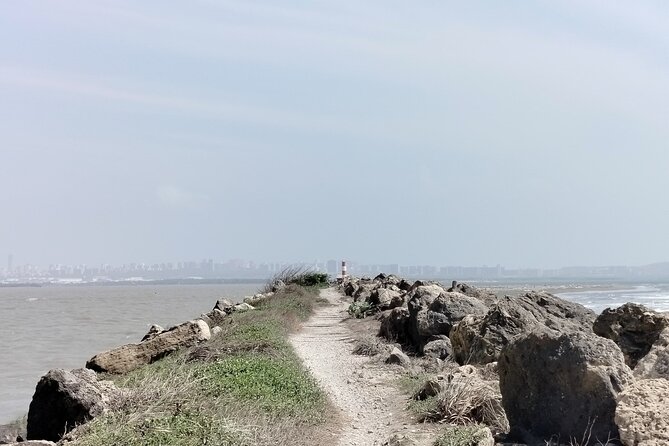
The point where the Magdalena River meets the Caribbean Sea, accessible by a scenic (and adventurous) train ride along the western jetty. The train runs on old rail tracks built in the 1930s to keep the river mouth navigable. It’s a unique experience – sitting on a small railcar watching the river turn into ocean. Go on a calm day; it can be rough when the winds are up.
Barrio Abajo
The colorful neighborhood that serves as the spiritual home of Carnival. Barrio Abajo’s streets come alive during Carnival season, but even outside February, it’s a charming area with painted houses, local culture, and some of the city’s best street food. The Carnival museum and several comparsas (dance troupes) are based here.
A City of Firsts: Barranquilla’s History
Barranquilla doesn’t look like a city with a remarkable history – but it has one. During the late 19th and early 20th centuries, Barranquilla was Colombia’s most forward-looking city, and it racked up a list of national and continental firsts that most residents today are fiercely proud of.
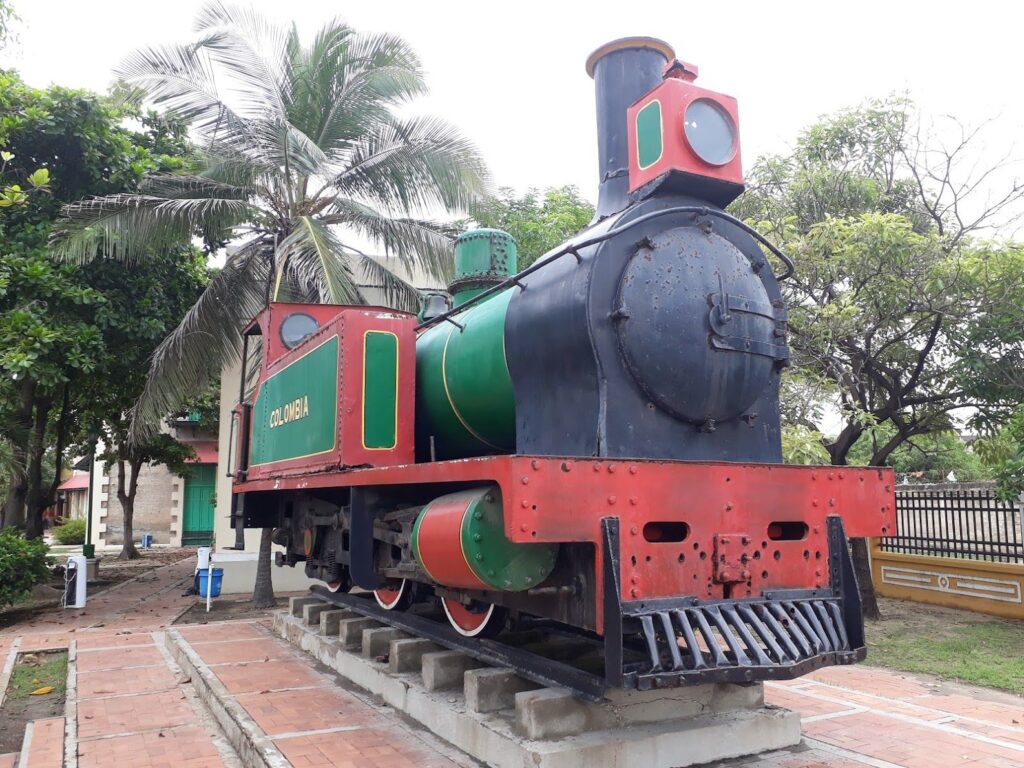
In 1871, the Ferrocarril de Bolívar – the railway connecting Barranquilla to the port at Sabanilla – became the first railroad in modern Colombia. As the country’s main gateway for international trade, the city attracted waves of immigrants from Europe, the Middle East, and Asia, giving it a cosmopolitan character that other Colombian cities lacked at the time.
On December 5, 1919, SCADTA (Sociedad Colombo-Alemana de Transportes Aéreos) was founded right here in Barranquilla – the first commercial airline in Latin America and the second in the world. It later merged with another carrier to become Avianca, which still operates today as one of the oldest airlines in existence. The city’s Ernesto Cortissoz International Airport, named after one of SCADTA’s founders, was the first airport in South America.
In 1920, American engineer Karl C. Parrish began developing the El Prado neighborhood – the first planned urban development in Colombia, modeled on American suburban garden communities. Parrish hired urban designer Ray Wyrick to lay out streets following the natural topography and wind patterns. The neighborhood had strict building codes that were revolutionary for the time. A decade later, the Hotel El Prado opened in 1930 as the first luxury hotel in the Colombian Caribbean, boasting private bathrooms and telephones in every room – a genuine novelty. The hotel became a social hub that attracted figures like Gabriel García Márquez, though it later fell into decline during the narco era of the 1980s before being restored.
Barranquilla’s golden age as Colombia’s commercial capital lasted roughly from the 1870s through the 1940s, fueled by its position as the country’s main port on the Magdalena River and the Caribbean. The decline came gradually as Buenaventura on the Pacific coast gained importance and other cities invested in infrastructure. But that golden-age DNA – the immigrant heritage, the entrepreneurial spirit, the “we did it first” attitude – still shapes the city’s identity.
Famous Barranquilleros
Barranquilla has produced an outsized number of internationally famous Colombians, and locals will make sure you know about every single one of them.
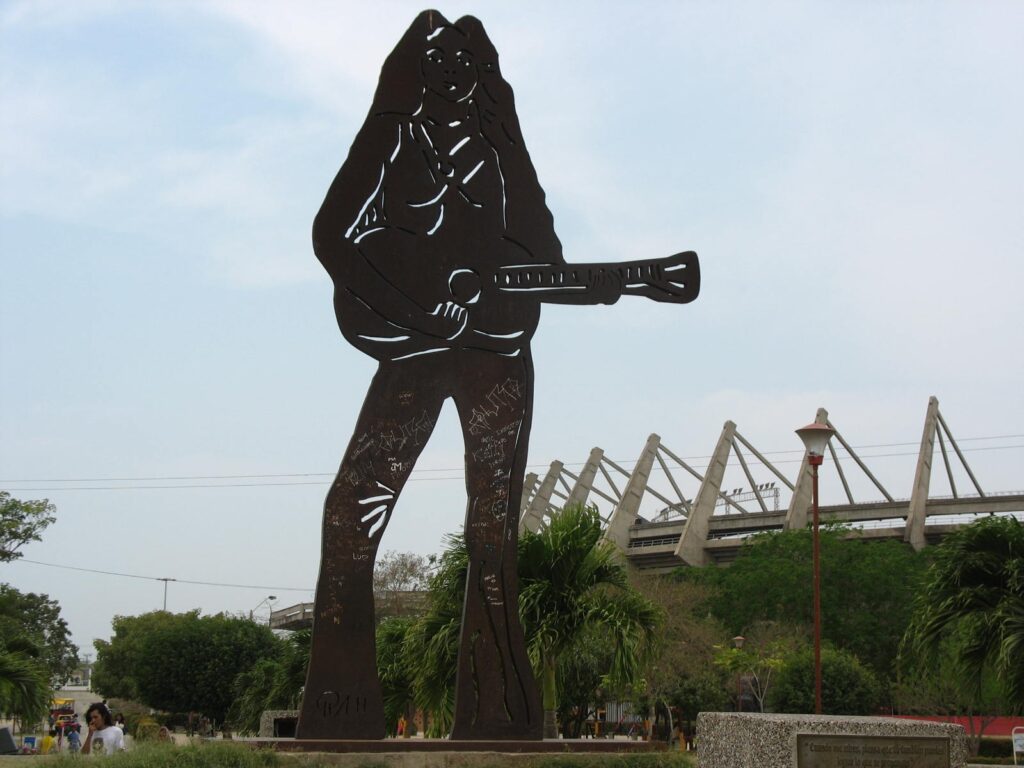
Shakira is the city’s most famous export. Born Shakira Isabel Mebarak Ripoll in 1977, she grew up in a middle-class Barranquilla neighborhood. Her Lebanese-Colombian heritage is quintessentially barranquillera – the city has one of the largest Arab-descended communities in South America. She started writing poetry at four, was performing by her early teens, and went on to become one of the best-selling Latin artists of all time. She founded the Pies Descalzos Foundation in 1997 to provide education and nutrition to Colombian children, and the organization still operates schools in Barranquilla. The city is enormously proud of her – don’t be surprised if “Barranquilla” and “Shakira” come up in the same sentence within minutes of meeting anyone here.
Sofía Vergara, the actress best known for Modern Family, was born and raised in Barranquilla. Like Shakira, she’s become a global ambassador for the city, and locals claim her warmth and humor as pure costeño character.
Ernesto Cortissoz, the businessman who co-founded SCADTA and gave his name to the airport, is a local hero. Karl C. Parrish, the American engineer who built El Prado, is remembered as the man who gave Barranquilla its most beautiful neighborhood – there’s a park named after him in Villa Country. And the literary influence of Gabriel García Márquez, while he was born in Aracataca, runs deep through Barranquilla – he lived and worked here as a young journalist, and the city’s intellectual circles heavily shaped his early career.
Fun Tips & Local Knowledge
The arepa de huevo is sacred. Barranquilla’s signature street food is a deep-fried corn arepa with an egg inside. The best ones come from street vendors, not restaurants. Ask locals for their favorite vendor – everyone has an opinion, and they’re all passionate about it.
Carimañolas are the other must-try. These torpedo-shaped fritters are made from yuca dough stuffed with seasoned meat or cheese, then deep-fried until golden and crispy. You will find them at the same street carts that sell arepas de huevo, usually in the morning or late afternoon. They are cheap, filling, and completely addictive – most locals will argue that carimañolas are just as essential as arepas de huevo, if not more so.

Learn to dance. Cumbia, salsa, champeta, vallenato – music and dance are not hobbies here, they’re social infrastructure. If you can’t dance, take classes. It will transform your social life. Locals are patient teachers and love seeing foreigners try.
“Eche” and “ajá” are your new vocabulary. Costeño slang is rich and fast. “Eche” is an all-purpose exclamation. “Ajá” means everything from “so?” to “go on” to “what’s up?” “Bacano” means cool. “Mondá” is… ask a local, but be careful where you use it.
Siesta culture is real. Between noon and 2 PM, the city slows down. Many smaller shops close. Streets empty out. This is the hottest part of the day and locals know better than to fight it. Plan your errands for the morning or late afternoon.
Saturday is for sancocho. Many families and friend groups have a Saturday sancocho tradition – a big communal soup (usually gallina/chicken) cooked slowly, eaten together with cold beer, loud music, and conversation that lasts all afternoon. If you get invited to a sancocho, say yes immediately.
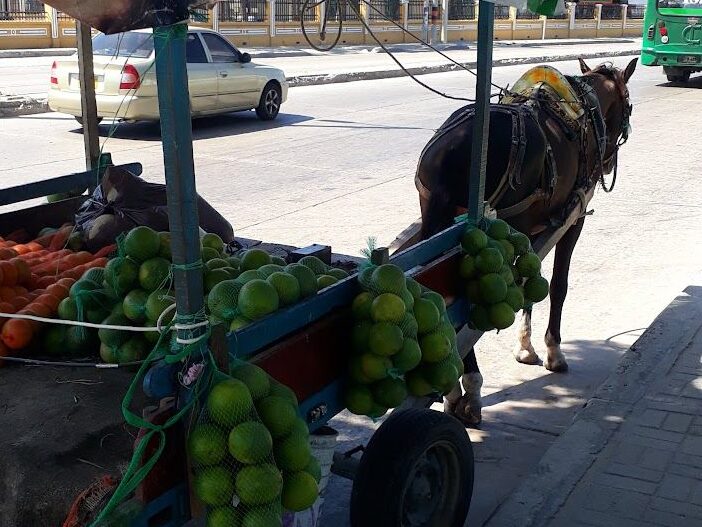
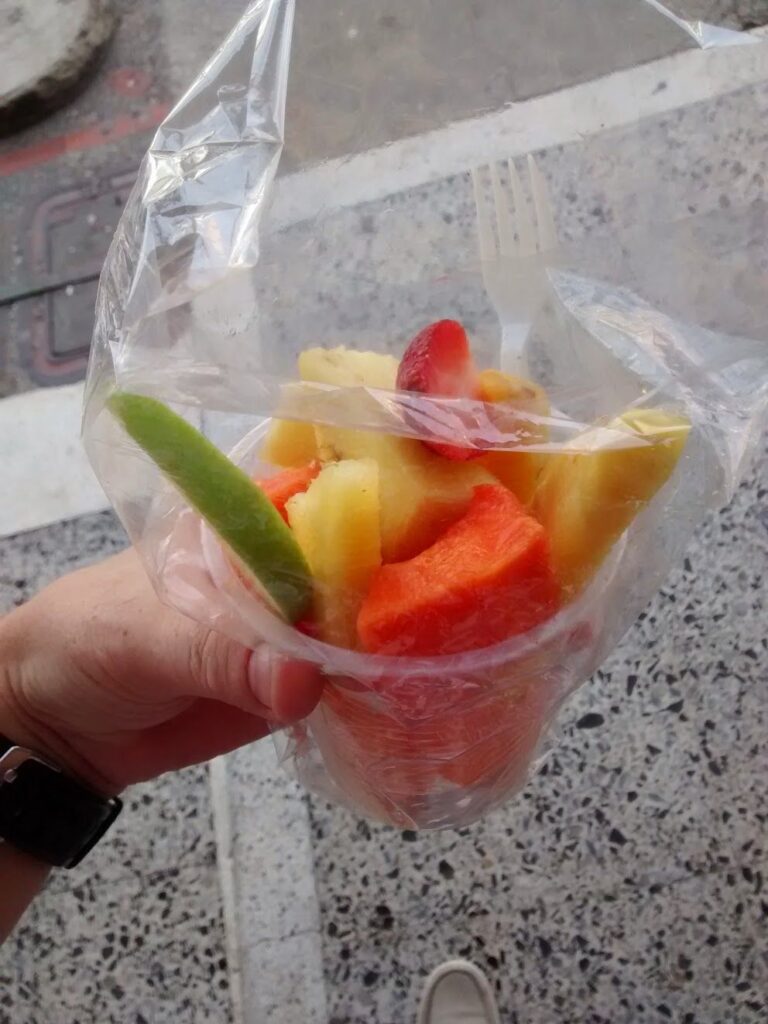
Juice culture is incredible. Fresh juice (jugo natural) and fruit is everywhere and cheap. Corozo, tamarindo, zapote, níspero, guanábana – tropical fruits you’ve probably never heard of, all turned into fresh juices at corner shops for $0.50-1. Try them all.
The river matters more than you think. The Magdalena River shaped Barranquilla’s entire history. In the early 1900s, this was Colombia’s most important port and most cosmopolitan city – Arab, German, Italian, and Jewish immigrants all arrived through here. That multicultural DNA is still visible in the food, the architecture, and family names throughout the city.
Futbol (soccer) is religion. Junior de Barranquilla is the city’s football club and the emotional center of local identity. When Junior plays, the city watches. When Junior wins, the city celebrates. When Junior loses… don’t bring it up. If you want to connect with locals fast, learn about Junior.
Weather & Climate
Barranquilla has a tropical savanna climate with two main seasons:
Dry season (December-April): The most pleasant months. Lower humidity, steady trade winds (alisios), and virtually no rain. January and February are the best months weather-wise – still hot (30-33°C) but with a breeze that makes it bearable. This is also Carnival season.
Wet season (May-November): Higher humidity, afternoon downpours (usually short but intense), and temperatures that feel hotter. October and November are the wettest months. Flooding can occur in lower-lying areas during heavy rains. The good news: rain usually comes in bursts and the rest of the day is clear.
Year-round temperature range: 26-35°C (79-95°F). It never gets cold. Ever. Pack light, breathable clothing. Cotton and linen are your friends. Forget about jackets unless you’re going to Bogotá for the weekend.
Getting Around
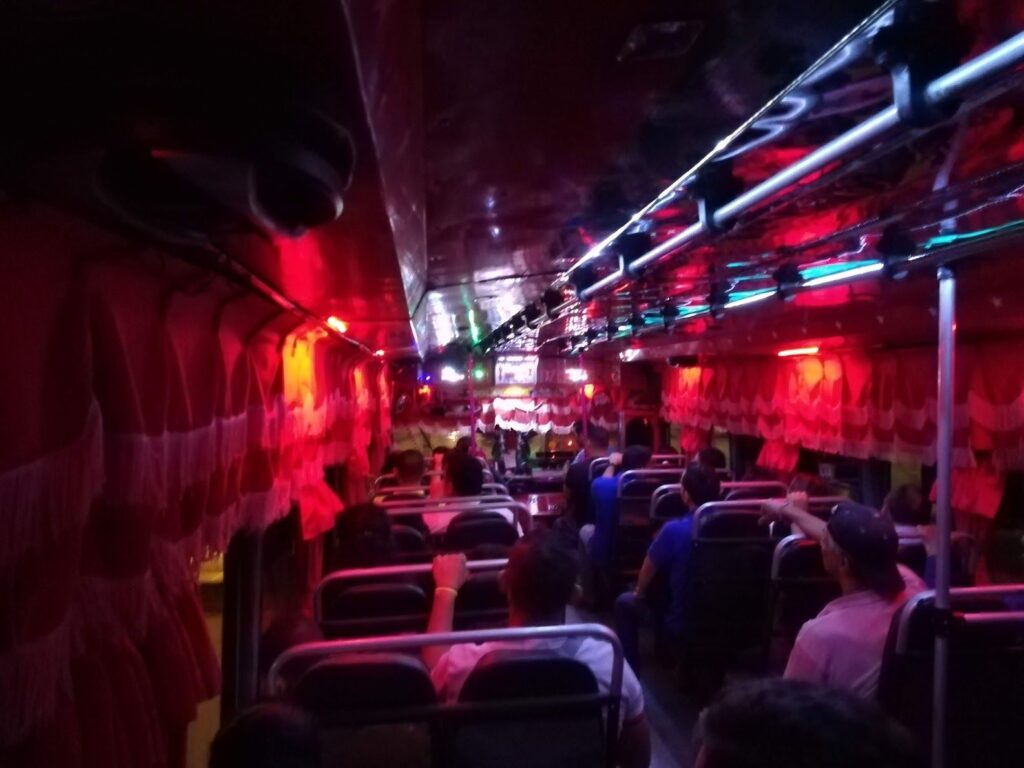
Uber and InDriver are the primary way most residents (especially expats) get around. Rides across the city cost $2-6 USD. Both apps work reliably throughout the metropolitan area.
Transmetro is the city’s bus rapid transit system. It covers the main north-south corridor along Calle 30 (Murillo) and has feeder routes. It’s affordable ($0.60 per ride) and useful if you live and work along its route, but limited in coverage.
Driving is common but chaotic. Traffic rules are treated as suggestions. Motorcycles weave through everything. If you plan to drive, get comfortable with defensive driving. A used car costs $5,000-15,000 USD. Parking in commercial areas runs $1-3/hour.
Walking is practical only within specific neighborhoods and during cooler hours. The heat makes long walks genuinely difficult for most of the year.
Healthcare
Barranquilla has good healthcare infrastructure. The city is increasingly popular for medical tourism, particularly for:
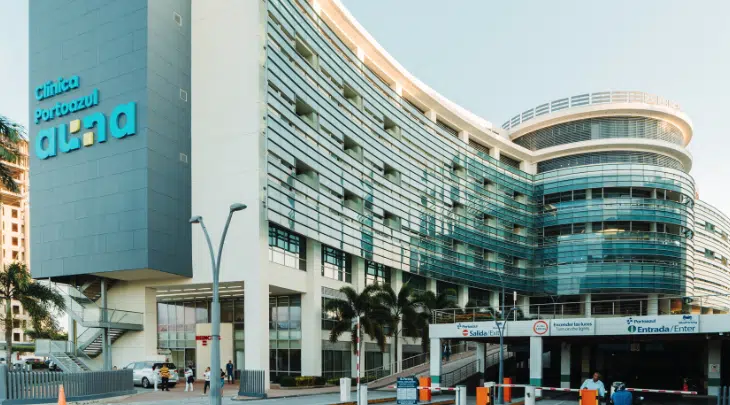
Top hospitals and clinics: Clínica Portoazul (high-end private care), Clínica del Caribe, Clínica General del Norte, and Hospital Universidad del Norte. Most have English-speaking staff in their international patient departments. Quality of care for common procedures is comparable to US/European standards at a fraction of the price.
Health insurance: Colombian EPS (public health system) costs $30-80/month depending on income. Private prepagada (prepaid health plan) from providers like Colsanitas or SuraS gives you faster access and better facilities for $80-200/month. Many expats use a combination of Colombian coverage and international health insurance.
Medical tourism: Dental work, cosmetic surgery, and ophthalmology are particularly well-developed here. Costs are typically 50-70% less than in the US for equivalent procedures. See our detailed guides on plastic surgery and dental work in Barranquilla.
Working & Business
For remote workers: Barranquilla is increasingly viable as a remote work base. Fiber internet (100-300 Mbps) is available in most middle-class and upper neighborhoods. WeWork has a location on Carrera 53. Several coworking spaces have opened in the Buenavista and El Golf areas. Power outages are infrequent but do happen – having a laptop with good battery life is smart insurance.
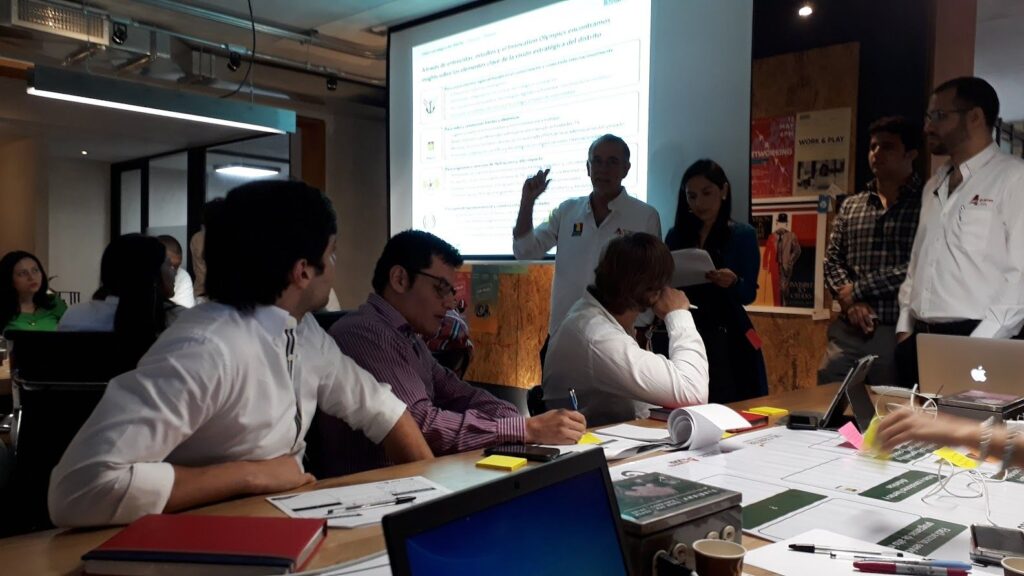
For business: Barranquilla is Colombia’s logistics hub. The port (Sociedad Portuaria), the Zona Franca (free trade zone), and proximity to the Caribbean coast make it a center for trade, manufacturing, and distribution. The local chamber of commerce (Cámara de Comercio de Barranquilla) is active and relatively efficient. Starting a business as a foreigner is possible but requires patience with bureaucracy – an immigration attorney and a good accountant are essential.
Digital nomad visa: Colombia offers a digital nomad visa (Visa V – Nómada Digital) that allows remote workers to live in Colombia for up to two years. Requirements include proof of remote income of at least 3x the Colombian minimum wage (approximately $900 USD/month in 2026). Apply through the Colombian consulate or Ministry of Foreign Affairs website.
Who Should (and Shouldn’t) Move Here
Barranquilla is great for you if:
You want authentic Colombian life without the tourist/expat bubble. You thrive in social cultures where people are open and extroverted. You don’t mind (or actually enjoy) tropical heat. You want a significantly lower cost of living without sacrificing modern amenities. You’re interested in Caribbean Colombian culture – the music, the food, the energy. You want easy access to Cartagena and Santa Marta for weekend trips. You’re a remote worker looking for a base with good internet and low costs.
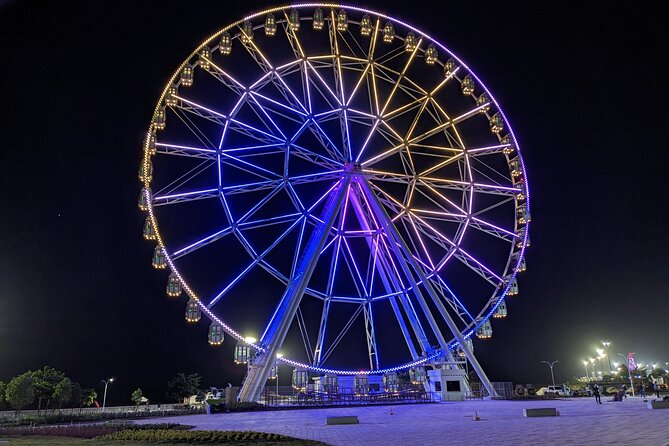
Barranquilla is probably not for you if:
You need cool weather or distinct seasons. You want a walkable, aesthetically polished city. You don’t speak Spanish and don’t plan to learn. You want a large English-speaking expat community. You prioritize nightlife variety and international dining above all else. You’re looking for a touristy, easy-to-navigate experience – Barranquilla requires more adaptation than Colombia’s more popular destinations.
The Bottom Line
Barranquilla is not for everyone – and that’s exactly what people who love it appreciate about it. It’s a raw, warm, loud, generous city that rewards people who engage with it on its own terms. The cost of living is excellent, the culture is rich, the people are extraordinary, and the quality of life can be genuinely high if you find the right neighborhood and build a social network.
It’s not the prettiest city in Colombia. It’s not the coolest. It’s not the most convenient. But it might be the most real – and for a growing number of foreigners and returning Colombians, that authenticity is worth more than a postcard-perfect skyline.
Come for Carnival. Stay for the people. Sweat through everything in between.