
Navigating a new country’s supermarket and food shopping ecosystem is genuinely confusing at first — different brands, different cuts, different unit standards, prices that look wrong until you convert them, and products you’ve never heard of next to products you recognize from home. This guide cuts through that friction for Barranquilla specifically.
The Main Supermarket Chains
Éxito
Éxito (owned by the French Groupe Casino) is Colombia’s largest supermarket chain and your most reliable option for a full weekly shop. The large-format Éxito stores are essentially hypermarkets — groceries, household goods, electronics, clothing, pharmacy, and often a bakery and deli counter under one roof. In Barranquilla, the major Éxito locations are in the northern zone and accessible by InDriver. Wide selection, consistent quality, good fresh produce section. Prices are mid-range.
Jumbo
Jumbo (also Groupe Casino) is the premium tier of the same family — larger stores, broader international product selection, better wine and cheese sections, and generally higher quality presentation. If you’re looking for imported goods (foreign cheeses, specialty coffee, international snacks), Jumbo is your first stop. Prices are noticeably higher than Éxito but the quality difference in produce and fresh departments is real.
Olímpica
Olímpica is Colombia’s most Colombian of the major chains — locally founded, strong in the Caribbean coast region specifically. Good for everyday staples at competitive prices. Less international selection than Éxito or Jumbo but well-stocked for local products and brands. Many Barranquilleros prefer Olímpica for their regular shopping because of the price and the local product focus.
D1 and Justo & Bueno
Colombia’s discount grocery chains, modeled on the Aldi/Lidl concept. Extremely limited SKU count — perhaps 800–1,000 items compared to 20,000+ at Éxito — but deeply discounted prices on staples. D1 in particular has excellent value on: rice, pasta, canned goods, oil, sugar, flour, cleaning products, and their own-brand versions of common items. If you’re budget-conscious, combining D1 for staples with Éxito or a market for produce and fresh items is the optimal strategy.
Alkosto
Primarily electronics and appliances but also carries groceries, particularly in large-format stores. Worth knowing for setting up a home — furniture, fans (essential in Barranquilla’s heat), kitchen appliances, and the UPS you need for power backup. Grocery selection is secondary but available if convenient.
Fresh Produce: Markets vs. Supermarkets
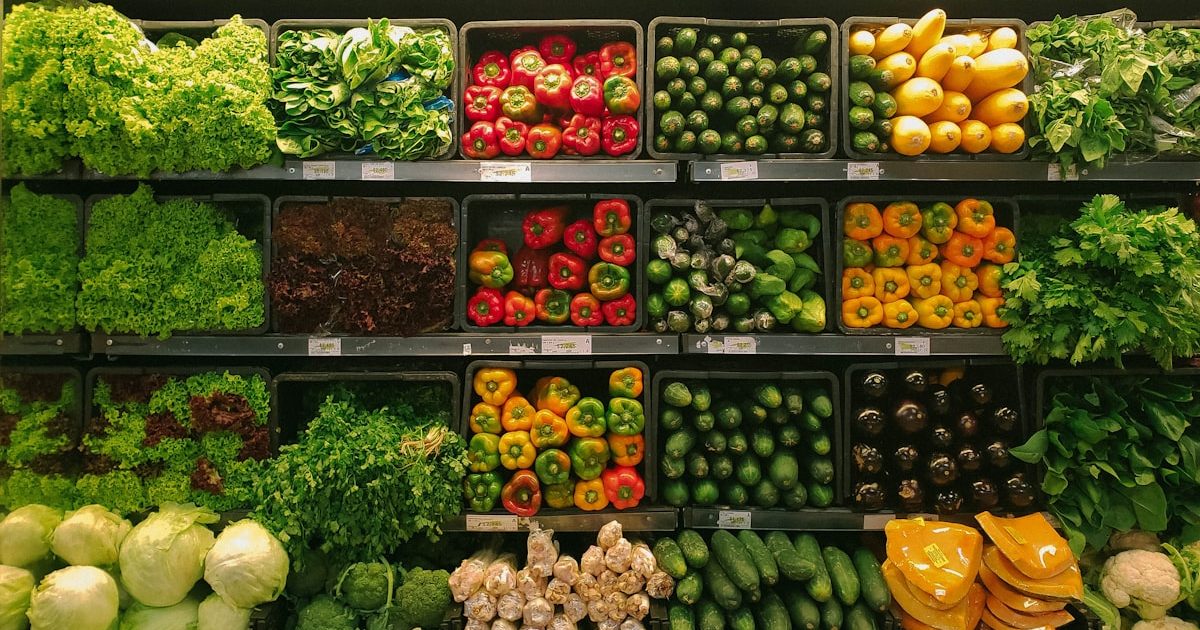
For fruits and vegetables, fresh markets consistently beat supermarkets on both price and freshness. The difference is not marginal — market produce is often 30–50% cheaper than supermarket produce and more recently harvested. Barranquilla has several local markets worth knowing:
Mercado Público (El Centro): The main central market is the most comprehensive for both produce and prepared food. Prices are the lowest in the city. Requires awareness in the downtown area but the selection is unmatched.
Neighborhood produce vendors (fruterías): Small fruit-and-vegetable shops appear on nearly every commercial block in the northern zone. These are your best option for daily fresh produce without a trip to the central market. They stock the basics — tomatoes, onions, plantains, yuca, tropical fruit — at prices between market and supermarket.
Weekend farmers’ markets: Several curated market events operate in the northern zone on weekends, particularly around Parque El Prado and the La Boquilla road. These are more expensive than the public market but more accessible, better organized, and often include artisanal products, specialty foods, and local processed goods alongside fresh produce.
What to Buy Where
D1 or Justo & Bueno: Rice, pasta, oil, sugar, flour, canned goods, cleaning products, toilet paper, bottled water (by the case)
Frutería / neighborhood market: All fresh produce — tomatoes, onions, peppers, plantains, yuca, tropical fruit
Éxito or Jumbo: Meat and fish (buy from the fresh counter, not pre-packaged where possible), dairy, eggs, imported items, wine, specialty ingredients, household goods
Panadería (local bakery): Fresh bread daily — pan de bono, pandebono, croissants, and the specific regional breads of the Caribbean coast. Barranquilla has excellent neighborhood bakeries; find yours early.
Droguería (pharmacy chain): Personal care products, cleaning supplies, and often basic food items. Farmatodo and Cruz Verde are the main chains and stock a surprisingly broad range of non-pharmaceutical goods.
Understanding Colombian Food Labels and Products
Pricing: All prices are in COP (Colombian pesos). Mentally dividing by 4,000 gives you a rough USD equivalent (adjust for current exchange rate). A $10,000 COP item is approximately $2.50 USD.
Octagonal warning labels: Colombian law requires food products to display black octagonal warning labels for high levels of sugar, sodium, saturated fat, and calories. The more octagons, the less healthy the product by Colombian standards. These are useful but based on per-100g benchmarks — context matters.
Key local staples to know: Hogao (tomato-onion sofrito, the base of most Colombian cooking — available pre-made in jars), masarepa (pre-cooked cornmeal for arepas), leche en polvo (powdered milk, widely used), panela (raw cane sugar in block form, used in drinks and cooking), and the full range of Colombian hot sauces and ají.
Delivery Services
Rappi is Colombia’s dominant delivery super-app — grocery delivery from Éxito, Jumbo, Olímpica, and D1 is available via Rappi in most of Barranquilla’s northern zone, typically arriving in 30–60 minutes. Prices on Rappi are occasionally slightly above in-store (Rappi takes a commission) but the convenience is significant, especially in the first few weeks when you’re still figuring out the city. The Éxito and Jumbo apps also have their own delivery services with better prices than Rappi for grocery-specific orders.
Domicilios (home delivery of prepared food) is available from most restaurants via Rappi or directly via WhatsApp from the restaurant. For a full cooking ingredient shop, delivery works well; for fresh produce or meat where you want to select items yourself, in-store is usually better.