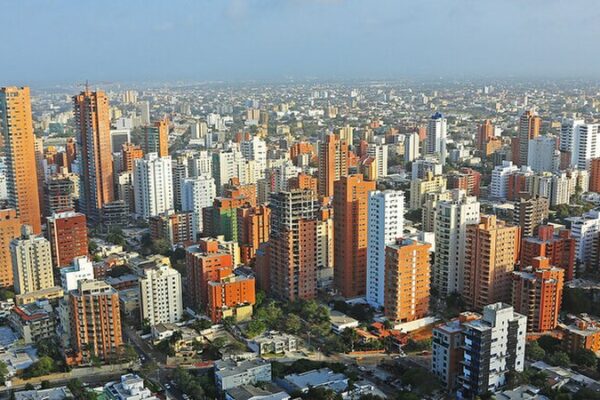

Barranquilla is not Bogotá. It’s not Medellín. And for LGBT travelers and expats, that difference matters — not in a dealbreaker way, but in a “know what you’re walking into” way.
Colombia as a country has come a long way. Same-sex marriage has been legal since 2016. Anti-discrimination protections exist on paper. But Barranquilla is a coastal, deeply Catholic city with a macho costeño culture that can feel more conservative than Colombia’s interior cities. There is a LGBT scene here — a real one — but it’s smaller and more underground than what you’d find in Chapinero (Bogotá) or El Poblado (Medellín).
This guide is honest. We’ll tell you what’s genuinely welcoming, what requires discretion, and what to expect depending on whether you’re here for a week or putting down roots.
The Legal Picture
Colombia’s legal protections for LGBT people are among the strongest in Latin America:
- Same-sex marriage — legal since April 2016 (Constitutional Court ruling).
- Adoption by same-sex couples — legal.
- Anti-discrimination law — sexual orientation and gender identity are protected categories under Colombian law.
- Gender identity documents — trans people can change legal gender on documents without surgery requirements (Decree 1227 of 2015).
The gap, as in most of Latin America, is between what the law says and what daily life feels like. Barranquilla’s institutions will treat you correctly. Street-level attitudes vary far more.
How Gay-Friendly Is Barranquilla, Really?
The honest answer: more than you might expect, less than Bogotá or Medellín.
Barranquilla’s culture is warm, extroverted, and social — costeños are known across Colombia for being friendly and open. That warmth extends to gay visitors in most contexts. You’re unlikely to encounter overt hostility in restaurants, hotels, malls, or northern neighborhoods. Locals are generally more curious than hostile.
Where it gets more complex: public affection. A same-sex couple holding hands or kissing in Zona Norte will draw looks in a way it might not in Bogotá’s Chapinero. Not danger, usually — but stares, comments, the general low-grade friction of being visibly queer in a conservative environment. The further south you go, the more pronounced this becomes.
For most gay men, especially those who don’t present in ways that attract attention, day-to-day life in Barranquilla is comfortable. For lesbians, bisexual people, and especially trans women, the city is harder. Trans women face significantly more discrimination and risk, particularly in public spaces and in interactions with police and security.
Where to Stay: Neighborhoods by Comfort Level
Zona Norte — Most Comfortable
The northern neighborhoods — Buenavista, El Golf, Villa Country, Puerto Colombia road — are where the most internationally connected, educated, and socially progressive Barranquilleros live. Hotels in this zone are accustomed to international guests and same-sex couples. You won’t have issues booking a double room or being treated poorly. This is where you should base yourself.
El Prado / Manga — Comfortable
These classic, older residential neighborhoods are relaxed and walkable by Barranquilla standards. LGBT expats live here. Fewer hotels, more apartments. A comfortable base for longer stays.
El Centro — Use Judgment
The historic center is more conservative and less tourist-friendly generally. Visit for the architecture and markets, but it’s not where you want to be visibly queer or out late.
Southern Barranquilla — Exercise Caution
Southern and working-class neighborhoods are more socially conservative and less safe for visitors generally. Not where tourists or expats typically spend time regardless of orientation.
The LGBT Scene
Barranquilla has a gay bar and club scene, but it’s relatively small and changes frequently. Don’t expect anything like Bogotá’s Chapinero strip. What exists tends to be concentrated in the northern zone and works best if you know someone local or are plugged into the community before you arrive.
Bars & Clubs
The gay nightlife scene in Barranquilla is real but not highly visible. Several gay-friendly bars and clubs operate in the north of the city, particularly around the Zona Norte and near Calle 84. Venues change, close, and move more frequently than in larger cities. The best way to find current options:
- Grindr and other apps — check the profiles, people often list where they’re going out.
- Instagram — search #BarranquillaGay or #LGBTBarranquilla for current active venues.
- Facebook groups — there are Colombian LGBT groups where Barranquilla events are posted.
- Ask at your hotel — staff at northern zone hotels will often know, especially boutique hotels used to international guests.
Mainstream clubs and bars in Zona Norte are generally LGBT-tolerant, even if not specifically gay-oriented. You won’t be turned away at the door.
Carnaval de Barranquilla
Carnaval (held in February/March, 40 days before Easter) is the city’s biggest cultural event and arguably its most LGBT-inclusive moment. The festival has long made room for gender non-conformity, drag, and campy expression as part of its theatrical tradition. During Carnaval, the city loosens up considerably. Same-sex couples are more visible, nobody is looking twice at a man in full drag costume, and the general chaos creates cover for expression that would attract more attention the rest of the year.
If you want to experience Barranquilla at its most exuberant and most accepting, Carnaval is the time to come.
Pride Events
Barranquilla has held Pride marches, though they are smaller than Bogotá’s massive march (one of the biggest in Latin America). Barranquilla Pride typically happens in June or July. Search for Marcha del Orgullo Barranquilla for the current year’s details. Turnout has been growing year over year.
Apps & Meeting People
The same apps that work everywhere else work in Barranquilla:
- Grindr — active, especially in the north of the city. Standard Colombia caution applies: meet in public first, tell someone where you’re going.
- Scruff — smaller user base but exists.
- Her — used by lesbian and bi women, smaller community than in Bogotá.
- Tinder / Bumble — work normally, many gay users use these instead of dedicated apps.
Standard safety advice: exercise the same caution you would in any Latin American city. There have been cases of robbery setups via apps. Meet first in a public place, let someone know where you’re going, don’t flash valuables.
For Expats: Building Community
If you’re relocating to Barranquilla for the longer term, building an LGBT social network takes more intentional effort here than it would in Bogotá or Medellín. The expat community in Barranquilla is smaller overall, and the LGBT expat community smaller still.
What works:
- InterNations Barranquilla — the city has an active chapter with regular events. Not LGBT-specific, but international and cosmopolitan, and LGBT-inclusive in practice.
- Facebook expat groups — “Expats in Barranquilla” and similar groups. Post and introduce yourself. The community is small enough that someone will reach out.
- Coworking spaces — WorkHouse, Selina, and other coworking spaces attract an international crowd that skews more open-minded than the general population.
- Colombian colleagues and friends — once you build local friendships, especially with younger, university-educated Barranquilleros, you’ll find the social scene expands organically. Colombia’s under-35 urban population is notably more progressive than older generations.
Many LGBT expats in Barranquilla describe a pattern of adapting to a more semi-closeted public life than they’d prefer, while building a rich private social life. It’s not ideal if you’re used to an openly queer city. It’s workable if you’re here for the lifestyle, climate, or cost of living and can accept some degree of code-switching.
For Trans Travelers and Expats
This section deserves its own honest treatment.
Trans people — particularly trans women — face a harder reality in Barranquilla than gay or lesbian people. Colombia’s legal framework is progressive, but enforcement is inconsistent and police interactions can be difficult. Trans women who are visibly gender non-conforming face higher rates of harassment, especially in public spaces and at night.
Trans men generally report more comfortable day-to-day experiences, largely because of lower visibility.
If you’re a trans person considering Barranquilla: it can work, and there are trans people building lives here. But go in with clear eyes. Connect with the local LGBT community before arriving. The Colombian network Colombia Diversa (colombiadiversa.org) documents rights violations and can be a resource if you encounter discrimination.
For document and legal name changes, the process in Colombia is handled at notarías (notary offices). Since 2015, no surgery or court order is required — just an affidavit. This applies in Barranquilla as anywhere in Colombia.
Safety: The Real Picture
Barranquilla is not a dangerous city for LGBT people in the way some parts of Latin America can be. There’s no organized anti-gay violence to speak of. The risks are more subtle: harassment, discrimination, the general friction of being visibly queer in a conservative environment.
- In northern neighborhoods and tourist areas, same-sex couples are generally safe. Be aware that overt public affection may attract unwanted attention.
- Avoid any neighborhood you’d avoid for general safety reasons — those risks compound.
- Nightlife safety follows the same rules as for anyone: use InDriver or Didi (not street taxis), go out with people you know when possible, don’t leave drinks unattended.
- If you have a problem requiring police involvement, you have legal protections. In practice, police responses to LGBT-related incidents can vary. Having your documents in order and the number for a lawyer or consulate is smart.
The Bottom Line
Barranquilla is not a gay mecca. It won’t replace Bogotá or Medellín as Colombia’s go-to LGBT destinations. But it’s a city that largely leaves you alone, has legal protections, a genuine (if small) scene, and a warm social culture that extends to most visitors.
If you’re coming for Carnaval, the beaches, the low cost of living, or a professional opportunity — and you’re gay, lesbian, or bi — Barranquilla is manageable and often genuinely enjoyable. Go in with accurate expectations, stay in the north, connect with the community before you arrive, and you’ll likely have a better time than the city’s reputation might suggest.
If you need Barranquilla to be openly queer-friendly in the way Amsterdam or Mexico City is, it isn’t there yet. That’s an honest answer, and you deserve it before you book the flight.