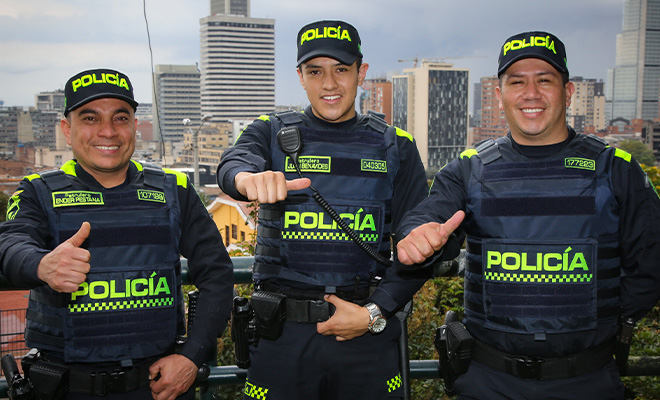

The most common question visitors ask about Barranquilla, answered honestly — not with the tired “it depends” dodge, and not with tourist-board cheerleading. This is what locals and long-term residents actually tell their friends.
The short answer
Yes — Barranquilla is safe for most visitors, most of the time, if you use the same city-level common sense you’d use in Medellín, Mexico City, or any mid-sized Latin American capital. It’s not Cartagena-tourist-bubble safe, because it isn’t a tourist bubble. But it is nowhere near as dangerous as headlines from 15 years ago would suggest, and it is noticeably calmer than Cali or parts of Bogotá.
The honest framing: Barranquilla is a working coastal city of 1.3 million people. Some neighborhoods are comfortable, well-lit, and full of families walking to dinner. Others you shouldn’t wander into after dark. The difference between “I had a great trip” and “I had a bad experience” is almost entirely about which neighborhoods you spend time in and which taxis you take.
Where it’s safe: the tourist and expat belt
If you stay in the northern corridor — El Prado, Alto Prado, Altos del Prado, Villa Santos, Riomar, Ciudad Jardín, Villa Country, and Buenavista — your day-to-day risk profile is low. These are estrato 5 and 6 neighborhoods. You’ll see private security on most blocks, residential buildings with porteros (doormen), and families walking dogs at night. This is where almost all expats, business travelers, and hotel guests end up, and there’s a reason.
Walking these areas during the day is routine. Walking them after about 10pm is fine on main streets but not recommended on empty side streets — not because something will happen, but because you’re an obvious target and there’s no reason to give anyone a reason.
Where to be careful

El Centro — the historic center — is fine during the day if you’re alert and carrying nothing flashy. It’s where you’ll find the Plaza de la Paz, the Catedral Metropolitana, and most of the architectural heritage. After dark, the energy shifts and most locals leave. Visit in daylight, take a taxi in and out, and you’ll be fine.
Barrio Abajo — the cultural birthplace of Carnival — is worth visiting but best with a local or during daytime hours and Carnival events when the streets are packed.
The southwest of the city — Rebolo, La Chinita, Santo Domingo, parts of Simón Bolívar — is where the actual crime statistics come from. Visitors have no reason to go there, and if a taxi driver tries to route you through, ask him why. These are low-income neighborhoods, not uniformly dangerous, but not where you explore on foot as an outsider.
The real risks (and how to avoid them)
Phone snatching from motorbikes. This is the single most common incident that actually happens to visitors and locals alike. A moto pulls alongside, the passenger grabs your phone, and they’re gone before you’ve processed it. The fix is simple: don’t walk down the street holding your phone up to your face, don’t use it at red lights while sitting in a taxi with the window down, and put it away when you’re walking near traffic.
Taxi overcharging. Not dangerous, just annoying. Street taxis don’t use meters reliably. Use InDriver (the most popular rideshare app in Barranquilla), Uber, or Didi — they all work here and most drivers accept them. The fare is fixed before you get in, and there’s a record of your trip.
ATM skimming and “express kidnappings.” Rare but real. Use ATMs inside bank branches or shopping malls during business hours — never standalone ATMs on the street, and never at night. The express kidnapping scenario (being driven around to ATMs) is vastly less common than YouTube comment sections suggest, but it’s the reason the rule exists.
Scopolamine (“burundanga”). The drug that shows up in every Colombia warning article. The realistic risk is almost entirely in nightlife contexts with strangers — someone buys you a drink, or a woman you’ve just met wants to come back to your hotel. The rule is unglamorous but simple: don’t accept drinks from strangers and don’t take strangers home. This applies in any country; it just has a name here.
Is it safe at night?
In the northern neighborhoods, yes — with the caveat that you should take a rideshare app rather than walking long distances after about 11pm. Zona Rosa, the main nightlife corridor, is active until 3-4am on weekends and feels totally normal. Plaza del Parque Washington and the restaurant strips around Carrera 53 are busy late into the night. You are not going to feel like you’re in danger.
The rule most residents follow: walk to and from your Uber, don’t walk the last six blocks because the app charged you an extra 3,000 pesos.
Is Barranquilla safe for solo female travelers?
Yes, with standard Latin American precautions. Street harassment (catcalls, stares) does happen, more than in North America or Europe, less than in some other Latin American cities. It’s verbal, not physical. Solo women routinely live, work, and go out here without incident. If you’d travel alone in Mexico City or Lima, you can travel alone here.
For going out at night, take rideshares door to door and stick to busy venues in the northern neighborhoods. Avoid Centro after dark. The same rules apply to everyone; they just matter a bit more when you’re a visible outsider.
Carnival safety
Carnival is surprisingly manageable for a party this size. The big parade routes (Via 40, Vía 40) are heavily policed, and the palcos (grandstands) are fenced and secure. Pickpocketing spikes during Carnival — it’s the one time phone snatching genuinely goes up. Bring only what you need: phone in a zipped interior pocket, minimal cash, no jewelry, comfortable shoes. Stay hydrated; the heat causes more Carnival medical incidents than crime does.
What locals actually worry about
Ask a Barranquillero what they actually think about when they talk about safety, and the answer is rarely “tourists being robbed.” It’s more often about traffic, petty theft in lower-income neighborhoods, and the usual frustrations of a Latin American city. The tourist-facing risk profile is much narrower than the ambient-background risk profile of just living here.
The honest bottom line
If you stay north of Calle 70, use rideshare apps instead of hailing cabs, don’t walk around staring at your phone, don’t flash cash or jewelry, and don’t go exploring unfamiliar neighborhoods alone at night — you are overwhelmingly likely to have a completely uneventful trip. Most visitors do. The ones who have problems almost always fall into one of two categories: they ignored the neighborhood rules, or they made a bad call in a nightlife context.
Barranquilla is not a city that demands hyper-vigilance. It’s a city that rewards ordinary common sense. That’s the honest answer.
Quick-reference checklist
- Stay in the northern neighborhoods (El Prado, Riomar, Villa Country, Buenavista, Alto Prado)
- Use InDriver, Uber, or Didi — not street taxis
- Use ATMs inside bank branches and malls during business hours only
- Keep your phone out of sight when walking near traffic
- Don’t accept drinks from strangers; don’t take strangers home
- Visit El Centro in daylight, not after dark
- During Carnival: minimal valuables, interior pockets, comfortable shoes
- Trust your gut — if a street feels wrong, it probably is