
Dental tourism to Colombia is legitimate, driven by one simple fact: the cost difference is real and the work is good. A dental implant in the US runs $3,000-6,000. In Barranquilla, the same implant, same materials, same quality dentist, costs $800-1,500. That’s not coming from cutting cornersâit’s coming from lower overhead, lower labor costs, and a thriving competitive market where dentists maintain high standards to attract international patients.
But “cheaper” doesn’t automatically mean “good.” Finding a legitimate clinic and understanding what you’re getting into is the difference between a successful trip and a regrettable one. This guide covers what’s actually good about dental care in Barranquilla, how to find clinics worth trusting, the logistics of a dental trip, and what to do if something goes wrong after you’re home.
Why Barranquilla for Dental Work
Colombia has a well-established dental education system. Most dentists in Barranquilla either trained in Colombia at good universities (Universidad del Atlantico, Universidad del Sinú) or received advanced training in the US or Spain. The country attracts international patients specifically because the market rewards qualityâdentists with poor reputations lose business to competitors.
Barranquilla specifically (versus Bogotá or MedellÃn) offers advantages: it’s smaller and more navigable, the logistics are simpler, and the medical tourism infrastructure is built for Caribbean patients who expect ease. Clinics here have English-speaking staff, coordinate accommodation, arrange airport transport, and manage post-operative issues from abroad. It’s not like going to a random clinic in a random Colombian cityâthe ecosystem is built for international patients.
Materials and equipment are US or European standard. Dental implants are name brands (Zimmer, Straumann, Nobel). Crowns are fabricated with digital technology and usually sent to labs in Colombia or Brazil, not hand-made in a back room. Anesthetics and sterilization protocols meet international standards. This matters because it’s why the work lasts.
The Actual Cost Savings
Here’s what you’ll pay in Barranquilla versus the US:
- Dental Implant (complete): $800-1,500 in Barranquilla vs. $3,000-6,000 in the US. This includes extraction (if needed), bone graft (if needed), implant placement, abutment, and crown. The US price is usually per tooth; the Barranquilla price covers the whole procedure.
- Crown (single tooth): $250-500 in Barranquilla vs. $1,000-2,000 in the US.
- Veneer (cosmetic): $350-600 per tooth in Barranquilla vs. $1,000-2,500 per tooth in the US.
- Root canal: $150-400 in Barranquilla vs. $800-1,500 in the US.
- Teeth whitening (professional): $150-300 in Barranquilla vs. $500-1,000 in the US.
- Full mouth restoration (multiple implants/crowns): $8,000-15,000 in Barranquilla vs. $30,000-60,000 in the US.
- Invisalign/braces: $2,500-4,500 in Barranquilla vs. $5,000-9,000 in the US.
These are not super-cheap clinics undercutting on quality. These are legitimate clinics with modern equipment, experienced dentists, and high patient volume. The savings come from economics, not sacrifice.
What’s Genuinely Good About Dental Care Here
Time with your dentist: In the US, dentists book 30-45 minutes per patient and run behind. In Barranquilla, dentists typically spend 60-90 minutes on a patient because they’re not trying to squeeze 12 patients into a day. You get a detailed consultation, thorough examination, and a thoughtful treatment plan. This is partly cultural (a less hurried approach to service) and partly economic (lower operating costs mean they can afford to spend time with you).
Advanced imaging and diagnostics: Good clinics have CBCT (cone beam CT) imaging, which gives 3D detail of your teeth, sinuses, and jaw. This is standard in many places but optional in others. In Barranquilla, it’s typical because dentists use it to plan implants and complex cases carefully.
Cosmetic focus: Barranquilla dentists tend to think cosmetically. A crown isn’t just a functional repairâthey’ll consider color matching, shape, and proportion to your face. Many US dentists do this; many don’t. Here, it’s standard.
Digital smile design: Many clinics use digital design software to show you before-and-after mockups of your teeth. You can see the proposed changes before work starts. This isn’t unique to Barranquilla, but it’s common here because patient education matters when you’re coordinating a trip internationally.
Finding a Legitimate Dentist or Clinic
Start with verification. Colombian dentists should have a valid professional license (Cédula) and registration with the health ministry. Ask for this. A legitimate clinic will show it without hesitation.
For implants, your dentist should be an implant specialist or have significant training in implantology. This is different from general dentistry. Ask how many implants they place per month and how long they’ve been doing it. Someone doing 50+ implants per month has real experience. Someone doing 3-5 implants per month is probably learning.
Look at reviews on Google, Yelp, and Instagram. Check for patterns. Good clinics have consistent reviews noting time, cleanliness, professionalism, and results. Negative reviews in clinics getting otherwise positive marks are usually outliers (every clinic has one difficult patient). Multiple reviews saying the same negative thingârushed, poor results, infectionâare red flags.
Ask to see before-and-after photos specifically. Look for varietyâdifferent ages, different starting conditions, different procedures. If all photos show perfect teeth, someone’s cherry-picking. Good clinics show realistic before-and-afters.
Schedule a video or phone consultation first. This is free at most clinics. Assess whether the dentist listens, whether they ask about your concerns, whether they explain things clearly, and whether you feel comfortable with them. A good dentist should ask about your health history, medications, and any previous dental experiencesânot just jump to treatment options.
Ask about the laboratory they use for crowns, veneers, and bridges. Major labs are preferable: Ivoclar, 3M, Kuraray, or local labs with solid reputations. If they can’t tell you who they use, it’s a sign they’re not thinking carefully about materials.
Best Neighborhoods for Dental Clinics
Zona Norte: The northern business district has the highest concentration of modern clinics. El Prado, Altos del Rosario, and Riomar have clinics with the newest equipment and most international-patient experience. Most established dentists work here. If you’re choosing between clinics and have the option, look in Zona Norte. The clinics are newer, the areas are safer to navigate, and the infrastructure is better for international patients.
Centro: Downtown has clinics ranging from excellent to outdated. It’s more chaotic and less convenient if you’re recovering or unfamiliar with the city. Prices can be slightly lower, but you’re trading convenience for savings.
El Prado: Specifically, this is the most upscale residential area. Clinics here tend to cater to wealthy Colombians and international patients. Expect higher prices and very polished service. Good choice if you want minimal hassle; possibly overkill if you’re price-conscious.
Planning Your Dental Trip
Timeline for planning: Start 2-3 months before you want to do work. Contact clinics, get consultations, choose one, and book dates. This buffer allows you to research, think, and make a decision without pressure.
How long should you stay? It depends on what you’re doing.
- Simple procedure (cleaning, fillings, single crown): 3-5 days is usually enough. You’ll have an initial appointment, possibly a second appointment, and minimal recovery time.
- Multiple procedures (multiple crowns, veneers, implants with same-day crown): 5-7 days minimum. More complex work requires multiple visits.
- Implants (if you need bone grafting or extractions first): 2-3 weeks. Implants are placed, then a temporary crown (or no crown) while osseointegration happens. You come back in 3-6 months for the permanent crown. Some clinics offer immediate load implants (permanent crown same-day), which reduces time to 5-7 days on your first visit, but follow-ups are still required.
- Full mouth restoration: 2-4 weeks depending on scope. This requires multiple appointments spaced days apart (to allow time for the lab to fabricate crowns between visits).
Flying: Book flights that arrive 1-2 days before your first appointment. This gives you time to rest, adjust to the climate and time zone, and arrive calm. Don’t try to fly the day of an appointment. Flying home after work is okay usually (most recovery is straightforward), but wait at least 1-2 days if the work was invasive.
Where to stay: Zona Norte is your best bet. You’ll be close to clinics, in a safe area, with restaurants and pharmacies nearby. Hotels and furnished apartments run $60-150/night. Budget for eating out (you might not feel great immediately after work). Some clinics can arrange accommodation or recommend apartments.
Procedures That Require Multiple Visits
Crowns and bridges: Usually require 2-3 visits. First visit: tooth is prepared and a temporary crown is made. The tooth is sent to the lab. Second visit (usually 7-10 days later): temporary crown is removed, permanent crown is fitted and adjusted. If adjustments are needed, a third visit happens. Plan for 10-14 days minimum if you’re getting multiple crowns.
Veneers: Similar to crowns. First visit: preparation and mold. Lab fabrication takes 1-2 weeks. Second visit: fitting and adjustment. Budget 2-3 weeks if you want multiple veneers done in one trip.
Implants (traditional): Surgery is visit 1. Healing takes 3-6 months (osseointegration). Permanent crown is placed at visit 2, months later. Most people do implant surgery during one trip and come back later for the crown. Some clinics offer immediate load (putting a temporary or permanent crown on the same day), but this requires careful planning and is not right for all cases. Discuss with your dentist what’s feasible.
Root canals: Can be done in one visit if simple, or require 2-3 visits if complex. Ask your dentist specifically.
What Happens During a Dental Procedure
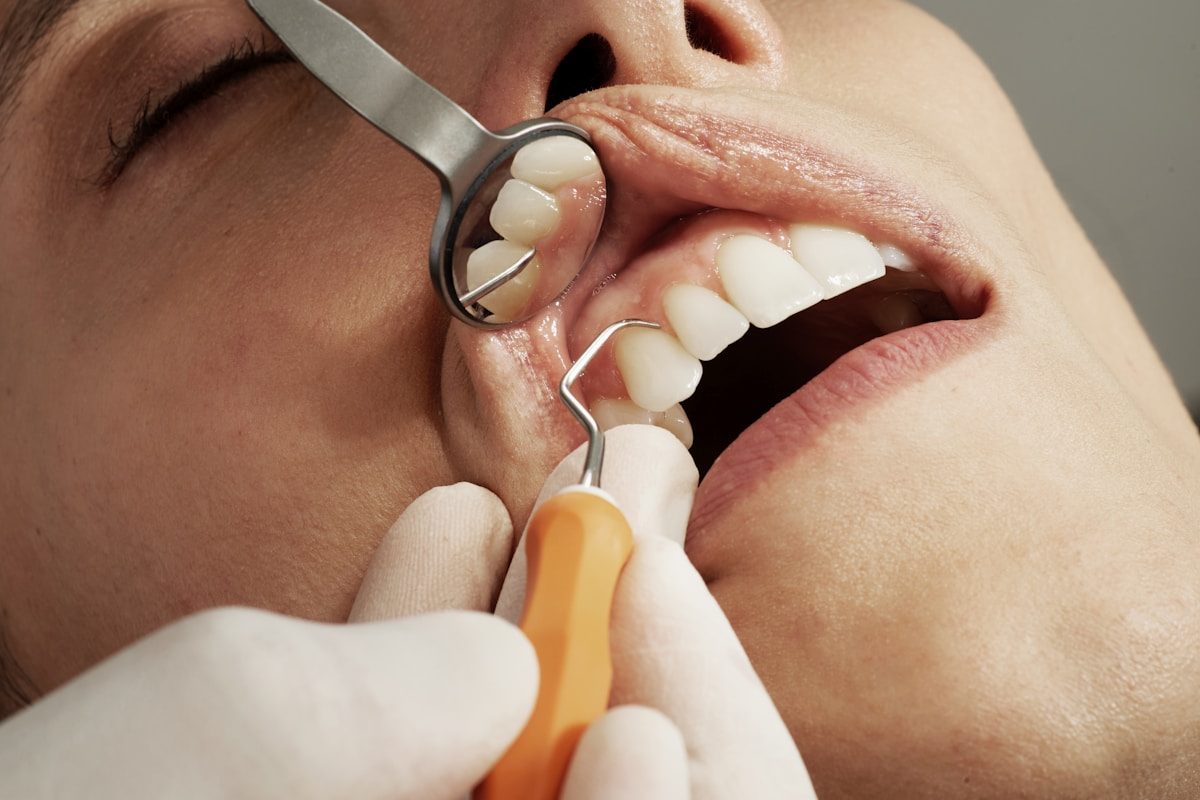
Before: You’ll have a consultation and examination. X-rays or CBCT imaging happens. The dentist explains the procedure, shows you what’s going to happen, and reviews anesthesia options. You sign consent forms.
Anesthesia: Most procedures use local anesthesia (numbing shots). You’ll feel pressure and vibration, but not pain. The numbing takes 5-10 minutes to fully set. If you’re anxious, some clinics offer nitrous oxide (“laughing gas”) to help you relax. Sedation or general anesthesia is rare for routine dental work but available if needed.
During: The procedure takes 30 minutes to 2-3 hours depending on complexity. You’ll hear sounds and feel vibration, but you shouldn’t feel pain. If you do, tell the dentistâthey can give more anesthesia.
After: You’ll feel numb for 2-4 hours. Don’t chew your cheek or lip (it’s easy to do accidentally). Avoid hot food until the numbness wears off. You might have sensitivity or mild soreness for a few days. Pain medication is rarely needed; over-the-counter ibuprofen usually suffices. If pain is severe, call your dentistâit could indicate a problem.
Recovery and Aftercare
Simple procedures (cleaning, fillings, whitening): Minimal recovery. You can eat and drink normally immediately (wait for numbness to wear off). No restrictions.
Extractions and implants: Most serious recovery. First 24 hours: bite down on gauze for 30-45 minutes to stop bleeding. Avoid hot food, hard food, and straws (suction can disrupt the clot). Expect swelling for 2-3 days. Use ice (20 minutes on, 20 minutes off) for the first 24-48 hours. Take antibiotics as prescribed. Avoid smoking and alcohol for at least a week (they slow healing). Saltwater rinses after 24 hours help. Light soreness for 5-7 days is normal. If pain is severe or increasing after 5 days, or if you see pus or have fever, contact your dentist.
Crowns and veneers: Minimal recovery. Sensitivity to temperature is common for a few weeks. Your bite might feel slightly off initiallyâthis usually corrects itself as you adjust. If it doesn’t improve after a few days, return for adjustment.
Handling Complications or Emergencies from Home
Most complications are manageable from home with video consultation and antibiotics.
Infection after extraction or implant: Signs are fever, pus, increasing pain after day 3, or foul taste/smell. Contact your dentist. They’ll usually prescribe antibiotics. This is treatable from home. Serious infections are rare but possible; if you develop severe pain, fever, or swelling in your face or neck, go to an Eâthis can be serious.
Sensitivity or pain after a crown: Often the bite is off and needs adjustment. Contact your dentist and have them refine the bite. This requires in-person assessment, so you might need a local dentist to do this, or you might need to return to Barranquilla for adjustment.
Crown comes loose or falls off: Call your dentist. If it’s been a week or more, the tooth underneath should be stable. Temporarily use dental cement (available at any pharmacy) to stick it back if you need to wait for an appointment. Permanent recement requires your dentist.
Broken tooth or implant: Contact your dentist. Some repairs can wait a week or two. Some need immediate attention. Ask specifically if it’s urgent.
Good clinics provide emergency support even after you’ve left. You should have a direct phone line to your dentist or clinic for questions. Video consultations are standard. Most problems are solved remotely.
Following Up After You Leave
Schedule follow-up appointments: 1 week, 2 weeks, and 1 month after major work. Some can be video; some need to be in-person. Clarify with your dentist before you leave.
Send images and records to your home dentist. Good clinics will provide digital copies of X-rays, treatment plans, and notes. Your home dentist can monitor your recovery and handle minor issues. They’ll also understand what work was done if you need future treatment.
For implants, you’ll need follow-up X-rays after 1 year and every few years after that to check bone levels. Your home dentist can do these. Implants require good home care (careful flossing, sometimes with specific tools) to stay healthy long-term.
Red Flags and What to Avoid
- Pressure to decide or pay large deposits without meeting the dentist first: Always have a consultation before money changes hands.
- Dentist can’t verify credentials or show professional registration: This is a deal-breaker.
- Clinic lacks modern imaging equipment (at least digital X-rays, ideally CBCT): Outdated clinics might cut corners elsewhere too.
- Clinic can’t tell you what lab they use or what implant brand they’re using: Legitimate clinics are transparent about materials.
- Very cheap pricing (30-50% below market): Ask why. It’s usually because they’re using substandard materials, don’t have specialists, or cutting corners on sterilization.
- No aftercare plan or no way to contact the dentist after leaving: This matters if something goes wrong.
- Clinic doesn’t have experience with international patients: If they’ve never coordinated with patients abroad, they won’t handle complications well.
- Dentist pushes unnecessary procedures: You should have a clear treatment plan explaining what’s necessary and what’s cosmetic/optional.
- Clinic uses cheap dental implants from unknown brands: Name brands (Zimmer, Straumann, Nobel, Biomet) are worth the small premium because they have support networks and parts are available. Cheap implants can be difficult to replace if they fail.
Insurance and Dental Tourism
Your US dental insurance won’t cover work done internationally. Some policies have clauses excluding international treatment entirely. Check with your insurer before you go.
Medical tourism dental insurance is available but expensive for what you get. It typically covers complications arising from the work (infection, implant failure) within a set period. Given that infections are rare and implant failure is even rarer with a good dentist, most people skip it. Cost: $300-800 depending on scope. Make your decision based on your risk tolerance and the complexity of the work.
Some clinics offer guarantees (replacing a failed implant, redoing a crown that breaks). Ask about this. It’s a sign of confidence in their work.
How to Actually Book
Step 1: Research and narrow down. Use Google, RealSelf, Instagram, and recommendations. Look at 5-10 clinics. Email them with your request and any photos of your current teeth. Ask about their experience, approach, and cost estimate.
Step 2: Video consultation. Most clinics offer free video consultations. Have 1-2 with your top choices. Assess communication, whether they listen, and whether you trust them.
Step 3: In-person consultation (if major work). For significant work like implants or full mouth reconstruction, try to visit in person if possible. See the clinic, meet the dentist, and feel confident. This can happen 2-4 weeks before work.
Step 4: Book and prepare. Once you’ve decided, book your dates. Pay a deposit (usually 25-50% of the cost). Schedule flights and accommodation. Get any needed pre-op tests (blood work, medical clearance). Provide your medical history and medications to the clinic.
Step 5: Final check-in. 1-2 weeks before your trip, confirm your appointments and any last-minute details. Ask if there’s anything you should avoid (aspirin, certain supplements) before arriving.
Realistic Expectations
Dental work in Barranquilla looks and functions well. But cosmetic work is aesthetic, not magic. A crown won’t make you look 10 years younger; it’ll make your teeth look better. Veneers are subtle or dramatic depending on what you choose. Implants function exactly like natural teeth (or betterâthey never get cavities).
Implants are a 10+ year investment. They last if you take care of them (good home hygiene, regular cleanings). Some implants failâfailure rates are typically 2-5%, meaning 95-98% succeed. Success rates are higher with good dentists and patients who follow aftercare instructions.
Cosmetic work is permanent. Before committing to veneers or whitening, make sure you’re doing it for yourself, not because someone else wants you to. Veneers can be replaced but it’s expensive. Whitening fadesâplan on doing it again in a few years.
The Bottom Line
Dental work in Barranquilla is legitimate, affordable, and of good quality if you choose a reputable clinic. The cost savings are real. The logistics are manageable. But you’re still getting surgery and permanent changes, so choose carefully. Meet your dentist, understand the plan, verify credentials, and follow aftercare instructions. Do that and you’ll save thousands while getting work that lasts.
Get Your Free Quote
Ready to explore dental options in Barranquilla? Connect with vetted clinics that can assess your specific needs and provide a personalized cost estimate.