
Barranquilla Carnival: The Complete Insider’s Guide to Colombia’s Greatest Festival
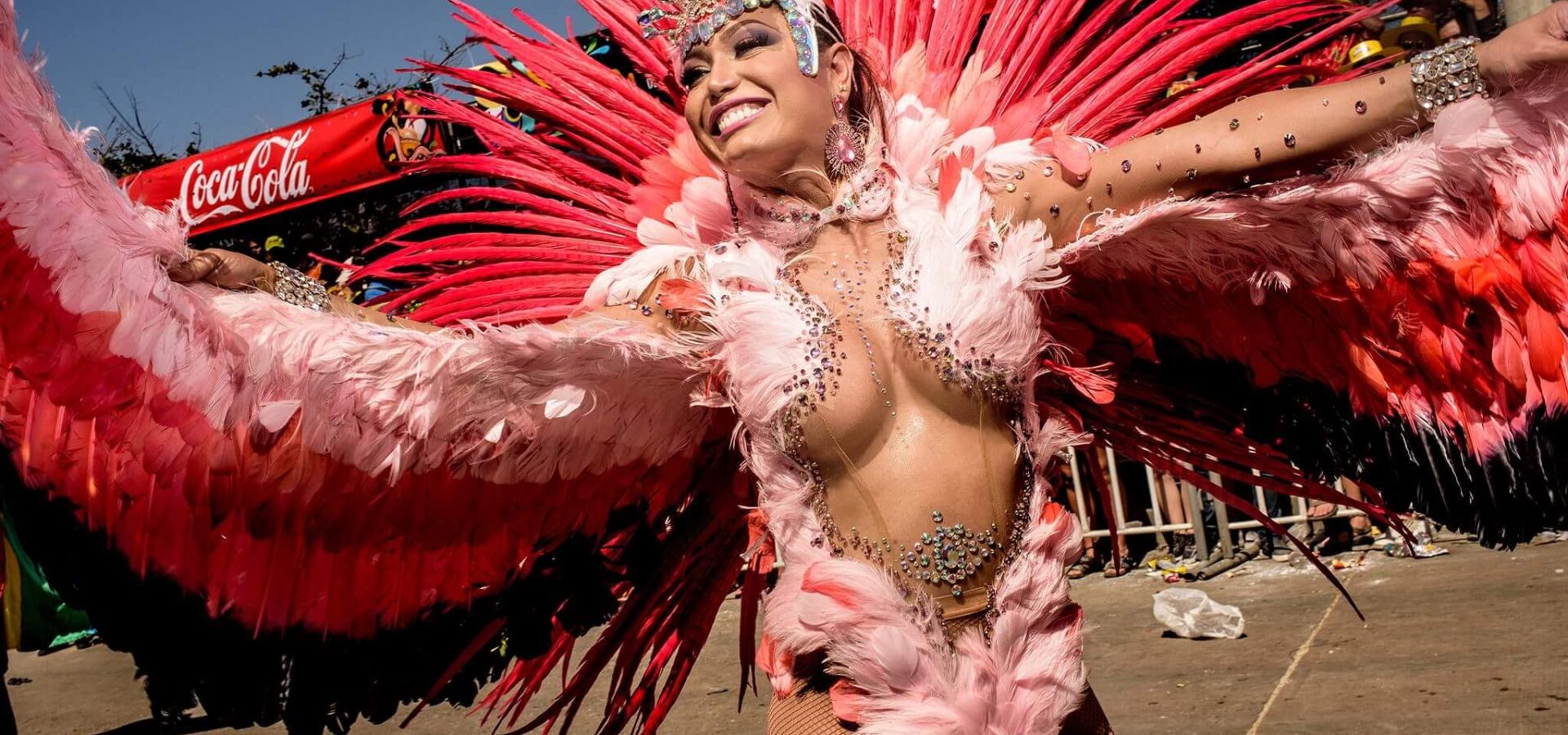
Barranquilla’s Carnival is more than just a party—it’s a living, breathing expression of Colombian Caribbean identity, a four-day explosion of color, music, and culture that draws hundreds of thousands of visitors annually. Designated a UNESCO Masterpiece of the Oral and Intangible Heritage of Humanity in 2003, this celebration blends indigenous, African, and Spanish influences into something that feels completely its own.
Unlike the organized, commercialized Carnivals of Rio or New Orleans, Barranquilla’s version remains authentically rooted in its Caribbean traditions. The streets belong to everyone—locals, tourists, musicians, dancers, and dreamers. It’s chaotic, sweaty, loud, and absolutely unforgettable.
The History: From Colonial Times to UNESCO Masterpiece
Barranquilla’s Carnival has deep roots stretching back centuries. During the colonial period, enslaved Africans were given a few days of freedom during what became Carnival—a rare opportunity to celebrate their own culture, music, and traditions. Over generations, this evolved into a unique Caribbean celebration that absorbed indigenous traditions, Spanish Catholic influences, and the rhythms of the African diaspora.
By the 19th century, Barranquilla’s Carnival had developed its own identity—distinctly different from other Latin American celebrations. While Rio focused on samba schools and New Orleans emphasized Mardi Gras krewes, Barranquilla created something more organic: street-based, neighborhood-rooted, and driven by traditional music and dance forms that had been passed down through families for generations.
The 20th century saw the festival grow from a local tradition into a nationally significant cultural event. In 2003, UNESCO recognized Barranquilla’s Carnival as a Masterpiece of the Oral and Intangible Heritage of Humanity—an acknowledgment that this celebration represents something irreplaceable in world culture.
Today, the Carnival remains largely unchanged in spirit. The same music traditions dominate. The same characters appear. The same families that led parades generations ago still participate. That’s the magic: Carnival isn’t a spectacle created for tourists—it’s a cultural institution that happens to welcome the world.
The Traditional Carnival Characters: The Soul of the Celebration
Every authentic Carnival celebration in Barranquilla features traditional characters, each with specific costumes, movements, music, and cultural significance. These aren’t invented for tourism—they’re living traditions passed down through families:
Congo — The spiritual heart of Carnival. These characters represent African royalty and wear elaborate crowns made of feathers, beads, and mirrors. Congo dancers move in slow, dignified processions, and the music accompanying them is deeply rhythmic and hypnotic. The Congo tradition directly traces back to African ancestral veneration and was one of the ways enslaved people maintained their cultural identity. Watching Congos move through the streets is watching living history.
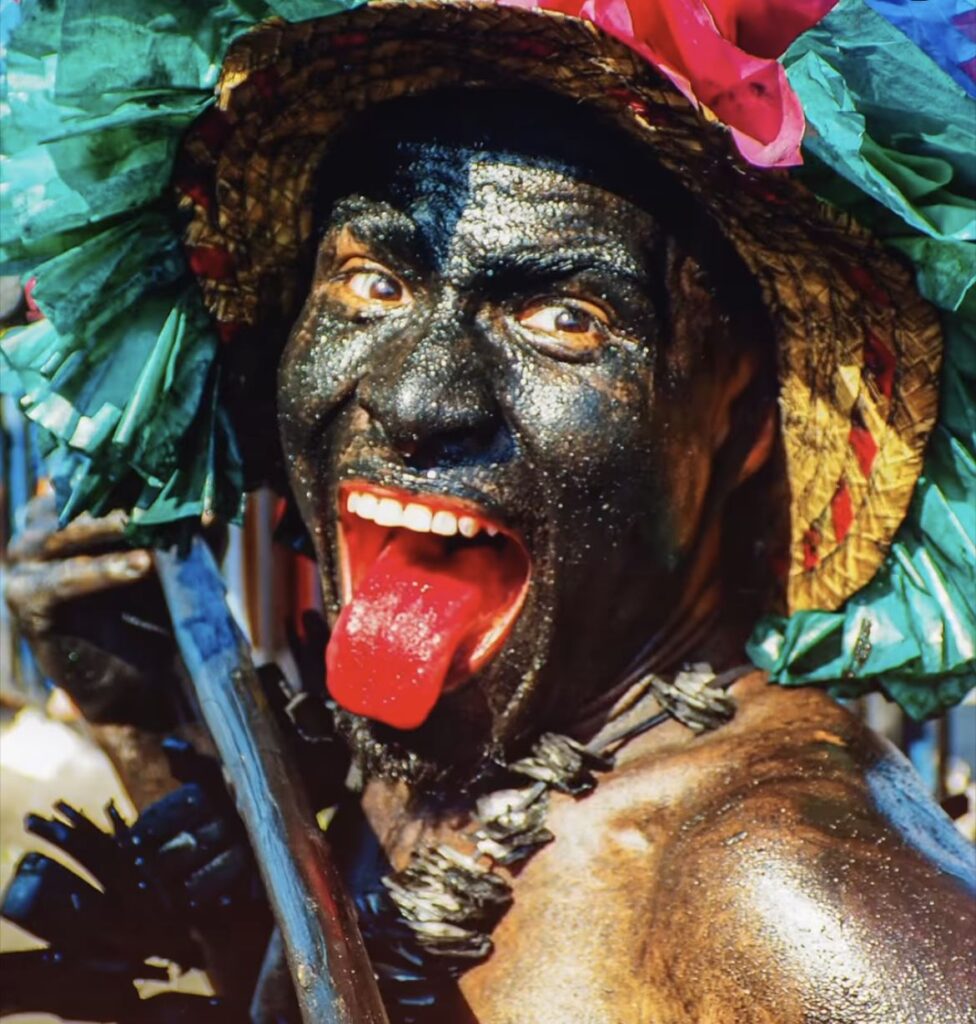
Garabato — One of the most visually striking characters. Garabato represents death and the devil, wearing skeleton masks, elaborate costumes covered in mirrors and beads, and carrying long hooked staffs (garabatos). The choreography is playful and sometimes macabre. Garabato characters traditionally “hook” spectators and playfully threaten them, creating interactive moments throughout the parade. It’s darkly comic and rooted in ancient traditions about mortality and spiritual protection.
Monocuco — The traditional male dancer character wearing vibrant, often feathered costumes with exaggerated movements. Monocuco dancers are acrobatic and energetic, often performing backflips and complex footwork. The character represents vitality, sexuality, and the pure joy of movement. Watching Monocucos dance is mesmerizing—they move with a fluidity that defies the weight of their elaborate costumes.
Negra Pulida — The most iconic female character, dressed in extraordinary costumes featuring multiple layers of ruffled skirts, elaborate headdresses, and jewelry covering nearly every inch of her body. Negra Pulida represents beauty, sensuality, and feminine power. The costumes can weigh 40+ pounds and cost thousands of dollars to make. The dancers move with grace and control despite the weight, often wearing platform heels and dancing for hours. This character is deeply rooted in the celebration of Black Caribbean femininity and strength.
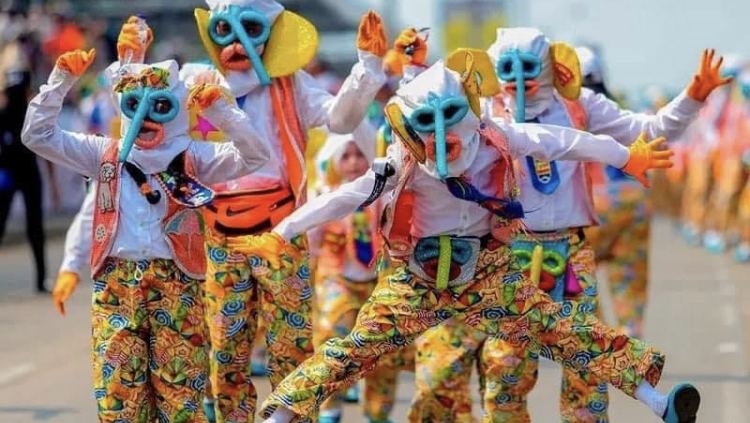
Marimonda — A grotesque, often humorous character wearing exaggerated masks and costumes. Marimonda represents social commentary, satire, and the subversive tradition of using Carnival to mock authority and social hierarchy. These characters often carry messages about current events or social issues, using humor and absurdity to make points that might be dangerous to say directly. It’s Carnival as resistance.
Cumbia Dancers — Groups performing the traditional cumbia dance in coordinated formations. Cumbia is one of Colombia’s most important musical and dance traditions, with roots in African, indigenous, and Spanish traditions. The dancers move in specific patterns that tell stories—movements representing courtship, daily life, or historical events. The music is built on African rhythms played on traditional drums.
Champeta Performers — A more recent addition (originating in the 1960s-70s), champeta is a Caribbean dance music style that’s faster, more modern, and intensely rhythmic. Champeta groups bring contemporary Caribbean energy to Carnival, blending traditional roots with modern sensibilities. It’s the evolution of Carnival in real time.
The Music: Ancient Rhythms and Living Traditions
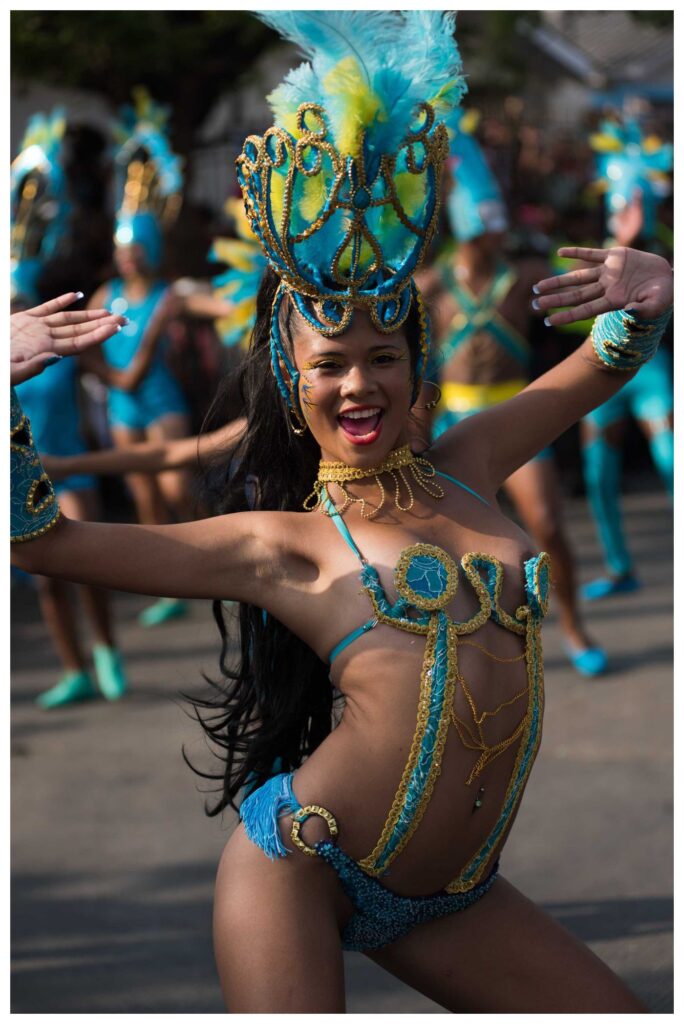
The heartbeat of Barranquilla’s Carnival is its music, most of which traces directly back to African traditions brought by enslaved people centuries ago. Cumbia—the foundational rhythm of Colombian Caribbean culture—is built on African drum patterns and represents the fusion of African, indigenous, and Spanish traditions. Champeta, emerging in the 1960s-70s, blends African rhythms with modern Caribbean influences and is faster, rawer, and more sensual. Vallenato—the accordion-based folk music tradition—appears throughout celebrations as the music of storytelling about daily life and social conditions.
The Four Days: What Happens Each Day
Day One: Battle of Flowers (Batalla de Flores) — The official opening ceremony, the most organized and visually spectacular day. The grand parade moves through Via 40 with the largest floats, most elaborate costumes, and biggest crowds. This day is the most tourist-friendly and photo-friendly. Expect enormous crowds and organized viewing stands.
Day Two: Orchestras and Cultural Groups — Smaller orchestras, cultural groups, and traditional music ensembles perform throughout different neighborhoods. Different neighborhoods host their own events, street parties, and performances. This is where you see more authentic, traditional Carnival—fewer tourists, more locals, deeper cultural expression.
Day Three: Festival of the Kings (Festival de los Reyes) — Traditionally celebrates African and Afro-Caribbean culture most directly. Congo groups, Garabato characters, and traditional African-influenced music take center stage. Street parties in neighborhoods like San Alejo are packed with locals celebrating their heritage.
Day Four: The Grand Finale — The last day brings a final surge of energy before Carnival ends. Street parties continue throughout the city with a bittersweet quality—everyone’s giving Carnival a last embrace before returning to normal life.
Where to Stay: Choosing Your Carnival Base
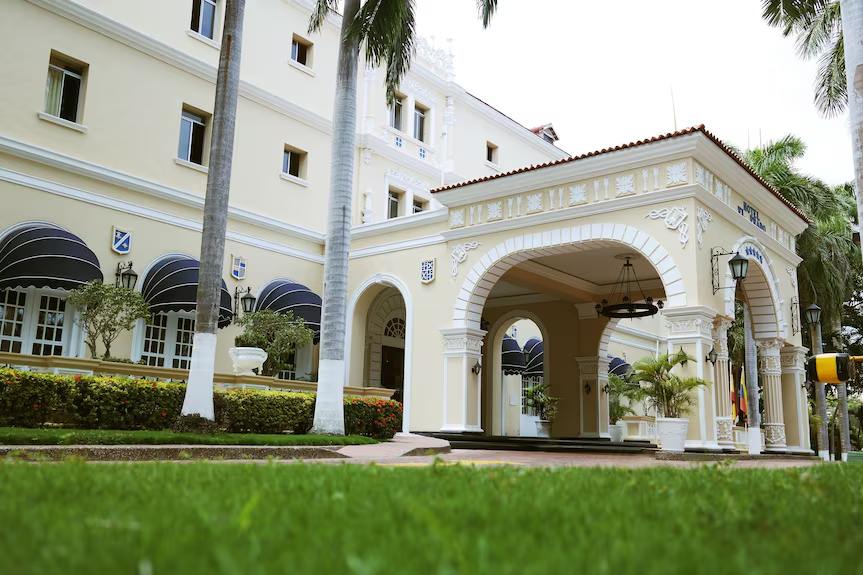
Bocagrande — The upscale beachfront zone with 4-5 star hotels, upscale restaurants, and organized Carnival viewing. Safe, controlled, expensive ($200+/night). Best for tourists wanting comfort and organized experiences.
El Prado & Historic Centro — The colonial heart where Carnival happens directly around you. 2-4 star hotels, historic buildings, constant activity. You’re in the thick of it—music starts at dawn, parties go until sunrise ($50-100/night). Best for authentic experience.
El Centro — The historic downtown district, with budget hotels and hostels close to the main parade route on Vía 40. Lively, walkable, and immersed in Carnival energy. Families and local revelers mix with visitors ($30-55/night). Best for budget travelers who want to be in the heart of the action.
Safety, Food & Practical Tips
Safety: Pickpocketing is common during Carnival. Use money belts, secure valuables, don’t flash cameras/phones. Use the buddy system late at night. Police are everywhere and generally helpful. Women traveling alone should dress as they wish—Carnival is a celebration of freedom—but be aware of surroundings and trust your instincts.
Food: Street food like arepa con queso, ceviche, patacón, and empanadas ($1-5 each) fuel Carnival. Sit-down restaurants with a/c are available when you need a break ($15-50+ per person).
Practical Preparation:
- Book hotels 2-3 months in advance (prices surge 300%+)
- Get travel insurance covering medical emergencies
- Download offline maps of Barranquilla
- Learn basic Spanish phrases
- Pack: sunscreen, hat, sunglasses, comfortable walking shoes, light cotton clothing, portable phone charger, money belt, reusable water bottle
Budget Breakdown
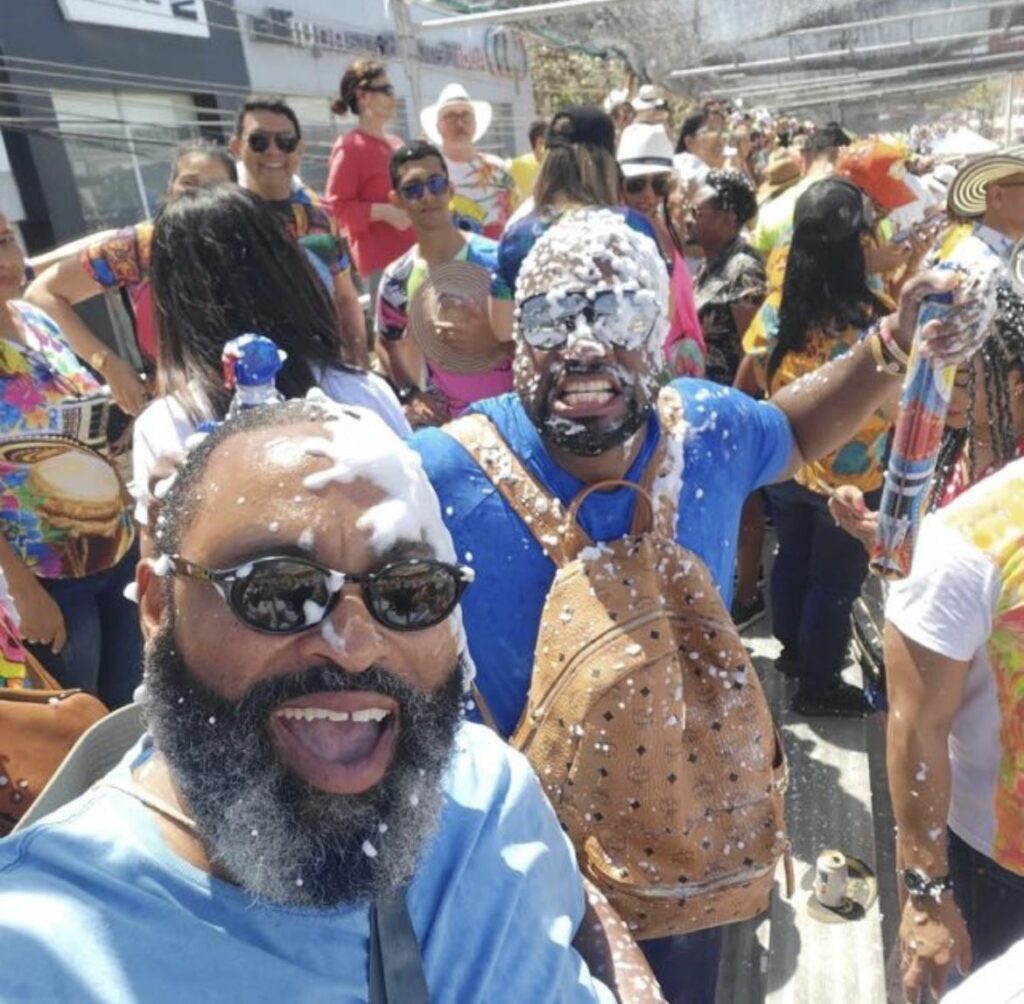
Budget Carnival ($800-$1,200): Flight $300-500, Budget hotel $120-200, Street food $80-120, Free street parties. Best for backpackers.
Mid-Range ($1,500-$2,200): Flight $400-600, 3-star hotel $320-480, Mixed dining $160-240, Tours/clubs $200. Good balance of comfort and experience.
Luxury ($2,500-$3,850+): Flight $600-1,000, 5-star hotel $800-1,200, Upscale dining $320-600, VIP packages $500-1,000. Maximum comfort and exclusive access.
Pro Tips for First-Time Visitors
- Arrive early to acclimate to heat and explore neighborhoods
- Don’t try to do everything—pick a few areas and experience deeply
- Listen to cumbia and champeta before Carnival to understand the celebration
- Pace yourself over four days—you’ll burn out if you go full intensity
- Watch Battle of Flowers during the day; evening street parties are more authentic
- Spend time in neighborhoods beyond downtown—go to San Alejo, waterfront
- Dance and participate—don’t just watch. Locals love seeing visitors engage
- Talk to locals. Learn Spanish phrases. Most are proud and happy to share
- Embrace impermanence. Carnival ends—enjoy knowing that makes it special
Why Barranquilla’s Carnival Matters
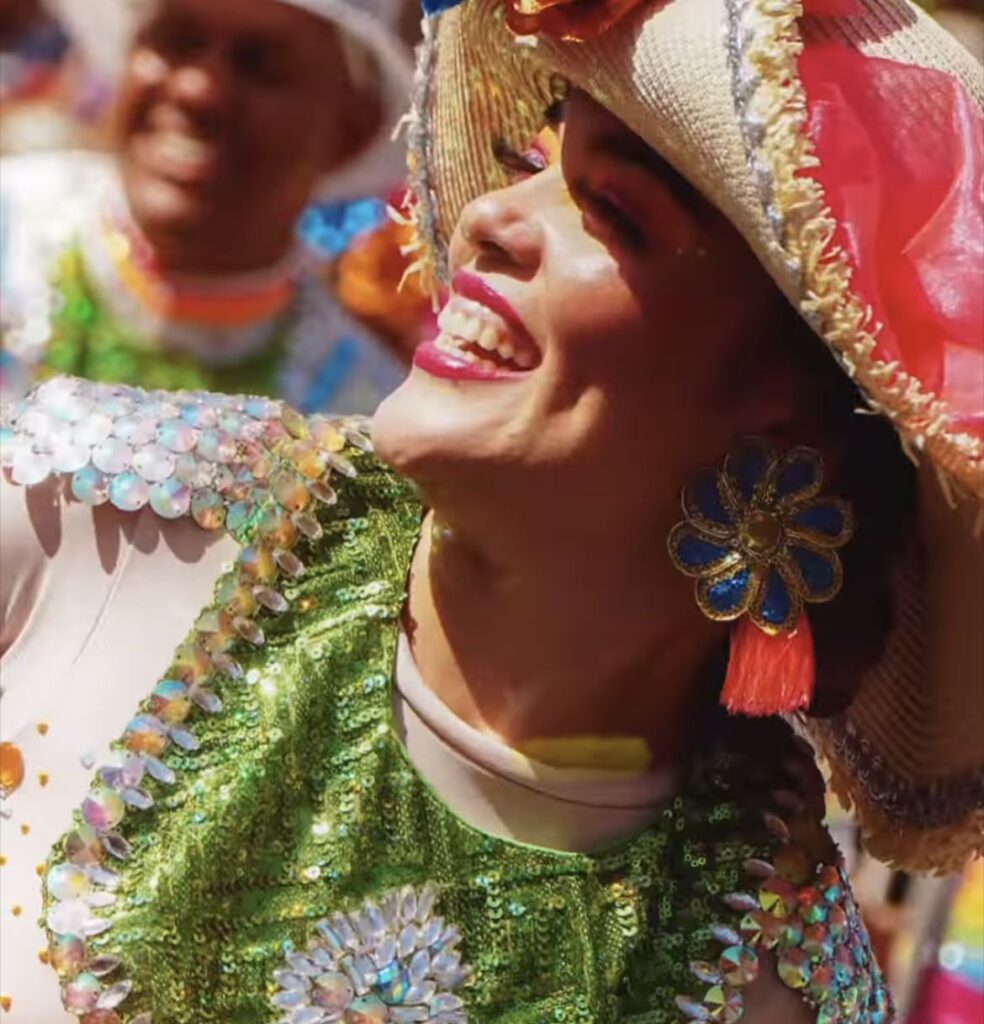
In a world of increasingly commercialized celebrations, Barranquilla’s Carnival remains authentically rooted in tradition, community, and culture. It’s not a product designed for tourists. It’s a living tradition that happens to welcome visitors. When you attend Barranquilla’s Carnival, you’re witnessing centuries of African, indigenous, and Spanish traditions being lived out in the streets. You’re participating in a celebration that UNESCO recognized as irreplaceable cultural heritage. You’re joining millions of people in an expression of joy that transcends language, class, and nationality.
That’s what makes it special.